
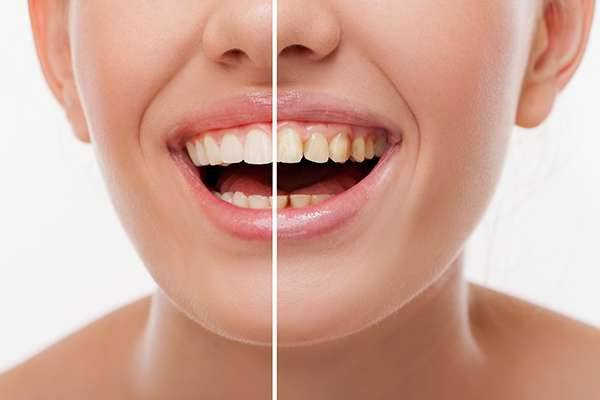
A damaged tooth changes more than your bite. You notice it when you smile in photos, when you chew on one side because the other feels off, and when a small chip or dark filling starts to draw your eye every time you look in the mirror. That stress is real. A Shawnee dentist can help you restore teeth so they work well and look natural, and those two goals often meet in the same place.
Restorative dental treatments that improve appearance do both. They repair teeth that are cracked, worn, decayed, or missing, and they can also improve shape, color, and symmetry. In many cases, the best cosmetic result comes from treatment that strengthens the tooth first, then blends it into your smile.
Dental fillings can repair decay without changing the look of your smile
When a cavity forms, the first thought is usually pain or sensitivity. The second is often appearance. Many people worry that treatment will leave a dark spot or a visible patch that stands out when they laugh. Modern fillings do not have to look obvious.
Tooth colored materials can restore a decayed area and blend closely with the natural shade of your enamel. If the cavity is caught early, a filling is often the most conservative option because it removes decay while preserving more of the healthy tooth. The National Institute of Dental and Craniofacial Research explains dental fillings and the materials commonly used today.
This matters because untreated decay rarely stays small. What begins as a tiny area can turn into a larger fracture, a deeper infection, or the need for a crown later. A filling protects function and helps avoid the cosmetic changes that come with more extensive damage.
Dental crowns restore strength and create a more balanced tooth shape
A tooth that is badly cracked, heavily filled, or worn down often needs more than a small repair. You may already be in that spot where the tooth looks shorter than the others, has rough edges, or has become discolored after trauma or root canal treatment. A crown covers the visible part of the tooth and gives it a new surface, shape, and contour.
This is where restorative care and cosmetic dentistry overlap in a very practical way. A crown is often chosen to protect a weak tooth from breaking, but it can also correct uneven form and improve the way the tooth fits into your smile. If one front tooth is chipped and another is intact, even a strong repair can feel disappointing if the result looks bulky or flat. A well designed crown aims for durability and a natural appearance at the same time.
The process is more involved than a filling, but it can solve several problems at once. The tooth becomes easier to use, less likely to fracture, and more consistent in color and shape with the surrounding teeth.
Dental bonding improves chips, small gaps, and worn edges with a conservative approach
Some cosmetic concerns come from minor damage that still affects how you feel every day. A small chip on a front tooth can seem minor to everyone else and still bother you every time you speak. Dental bonding uses a tooth colored resin to rebuild lost structure and smooth out the tooth.
Bonding works well for small fractures, worn corners, irregular edges, and certain gaps. It is one of the simpler ways to improve appearance while restoring a tooth that has lost a bit of enamel or structure. In the right case, it offers a quicker fix than a crown and preserves more natural tooth material.
There is a limit. Bonding is not the best answer for every heavy bite, large fracture, or deeply damaged tooth. Still, when the issue is modest and the goal is to restore a natural look without aggressive treatment, it can be an excellent part of cosmetic restorative dentistry.
Dental implants replace missing teeth and support long term smile aesthetics
A missing tooth affects more than the empty space. Nearby teeth can shift. Chewing changes. The jawbone in that area can shrink over time, which may alter facial support and the look of your smile. If you have been hiding a gap or avoiding certain foods, you already know how much one missing tooth can affect daily life.
Dental implants replace the tooth root and support a crown that looks and functions like a natural tooth. For many people, that makes implants one of the strongest examples of how tooth restoration can also improve appearance. According to MedlinePlus information on dental implants, implants can provide stable support for replacement teeth and help preserve bone in the jaw.
That bone support matters. A bridge may restore the visible gap, but an implant also helps maintain the underlying structure in the area. If your concern is both cosmetic and functional, this can be a strong long term option.
Material choice affects both durability and cosmetic results
The material used in a filling, crown, or bonded repair changes how the final result looks and how it holds up under pressure. Research into advanced dental materials has focused on strength, wear resistance, and better esthetics, which is why many modern restorations look more natural than older ones.
| Treatment | Best For | Cosmetic Benefit | Typical Limitation |
|---|---|---|---|
| Tooth colored filling | Small to moderate cavities | Blends with natural enamel | Not ideal for major structural loss |
| Dental crown | Cracked, weak, or heavily damaged teeth | Improves color, shape, and symmetry | Requires more tooth preparation |
| Dental bonding | Small chips, worn edges, minor gaps | Smooths and reshapes visible teeth | Can stain or wear faster than crowns |
| Dental implant | Missing teeth | Restores a complete, natural looking smile | Longer treatment timeline |
Small decisions early often prevent larger cosmetic and restorative problems
A lot of people wait because the problem does not seem urgent yet. The tooth is not hurting enough, the crack is only visible in certain light, or the old filling still feels usable. Then the tooth breaks further, the repair options narrow, and the cost rises with the damage. Early treatment usually gives you more choices and better cosmetic control.
If you are comparing options for general, cosmetic, and restorative dentistry, the right plan depends on how much healthy tooth remains, where the tooth sits in your smile, and how much force it handles every day. Front teeth and back teeth do not face the same demands, and the best looking option also has to survive normal use.
Three steps can help you choose the right restorative treatment
1. Get a diagnosis before focusing on appearance. A tooth can look like a cosmetic issue and still have decay, a bite problem, or a hidden crack underneath. Knowing the cause keeps you from choosing a fix that looks better for a short time but fails too soon.
2. Ask how the treatment will look in normal life. Shade match matters, but so do texture, shape, and light reflection. Ask to see how the restoration will blend when you talk and smile, not just when your mouth is open under bright exam lights.
3. Think about long term maintenance. Some treatments are more conservative. Others last longer under pressure. If you grind your teeth, drink a lot of coffee, or have old dental work nearby, those details should shape the plan.
You do not have to choose between a healthy tooth and a natural looking smile. The right restorative treatment can protect your teeth, improve comfort, and help your smile look like your own again. If a damaged, decayed, or missing tooth has been bothering you, now is a good time to schedule an evaluation for general, cosmetic, and restorative dentistry and find out which option fits your needs.
read more : Why Veterinary Clinics Are Essential For Zoonotic Disease Control
