
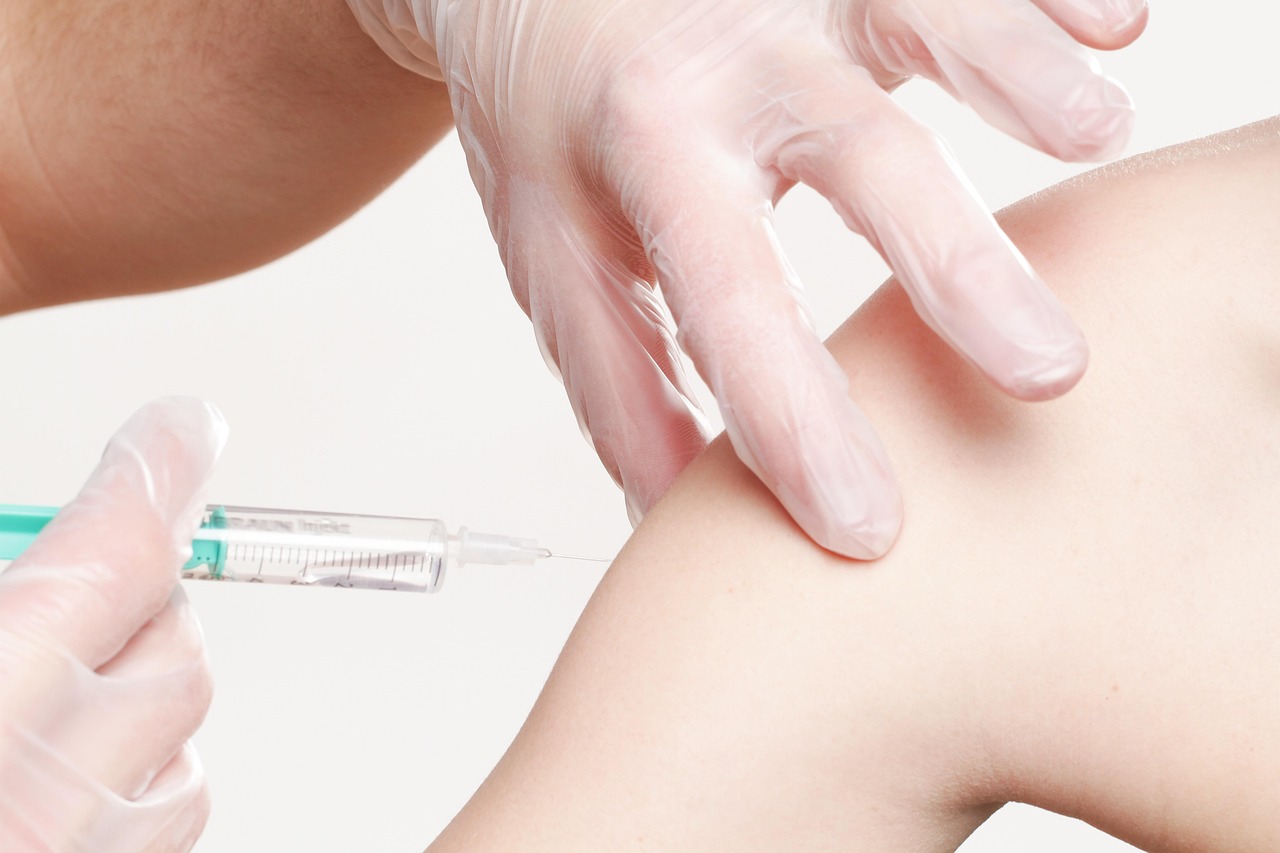
You do not need a public health degree to feel uneasy about diseases that move between animals and people. You hear about avian flu, rabies, mpox, leptospirosis, and new outbreaks that seem to appear without much warning. If you live with pets, work around animals, or simply want to keep your family safe, that uncertainty gets personal fast, and guidance from a London, Ontario veterinarian can help you make informed decisions. The short version is simple. Vaccines reduce the chances that some infections will spread, become severe, or keep circulating between species. They are not the only tool, but they are one of the clearest lines of defense.
The role of vaccines in preventing zoonotic diseases starts with interruption. A virus or bacterium needs a path. It needs a host, a chance to spread, and enough susceptible animals or people to keep going. Vaccination makes that path harder to find. In veterinary care, this matters every day. A vaccinated dog is less likely to become infected with rabies. A protected herd is less likely to become the starting point for wider transmission. A person with the right vaccine guidance during an exposure event may avoid severe illness that could have changed everything.
Vaccines break the chain between animals and people
Zoonotic diseases do not stay neatly in one lane. They move through homes, farms, shelters, wildlife settings, and clinics. That is why public health agencies use a One Health model, which connects human, animal, and environmental health. The CDC outlines this approach through its federal One Health coordination efforts. The idea is practical. You cannot protect people if you ignore animal health, and you cannot protect animals if you ignore the conditions that help disease spread.
This is where vaccination earns its place. Some zoonotic infections have well established animal vaccines, some have human vaccines, and some require both depending on the disease. Rabies is the clearest example. Routine vaccination in pets has saved human lives for decades. Without it, one bite from an infected animal can trigger fear, emergency treatment, quarantine decisions, and in the worst cases, a fatal outcome if care is delayed.
The same logic applies even when the disease is less familiar. A poultry worker, a livestock handler, or a family adopting a rescue animal may not see the risk right away. The problem is that zoonotic disease often looks ordinary at first. A mild fever, a cough, a skin lesion, a pet that seems tired for a day or two. By the time someone realizes the infection may pass between species, exposure may already have happened.
Preventing zoonotic infections takes more than good intentions
People often assume that clean homes, careful handling, and regular checkups are enough. Those steps matter, but they do not replace immunity. You can wash hands, disinfect surfaces, and still face a risk if an unvaccinated animal becomes infected. You can isolate a sick pet and still need urgent guidance if there has been a bite or saliva exposure. Good habits reduce risk. Vaccines reduce vulnerability.
That difference matters financially too. Preventive care usually costs less than emergency testing, treatment, missed work, animal quarantine, or managing an outbreak in a group setting. One unprotected animal in a boarding facility, shelter, or farm can create a chain of disruption that affects dozens of people and animals. The stress alone is enough. Add medical bills and lost time, and prevention starts to look a lot less optional.
Public health planning reflects this reality. The CDC’s zoonotic disease prioritization work shows how agencies identify the diseases that need focused action. Vaccination programs are part of that action because they target risk before a crisis expands.
Human and animal vaccines serve different but connected roles
Not every zoonotic disease has the same vaccine strategy. Some rely heavily on animal vaccination. Others involve human vaccination for people at higher risk, after exposure, or during outbreaks. Mpox is a useful example. The CDC provides mpox vaccine considerations for clinicians, showing that vaccine use depends on exposure risk, health status, and timing. That is a good reminder that vaccines are not one size fits all.
Vaccines for animal borne diseases work best when they are used as part of a larger plan. In a veterinary setting, that plan may include routine wellness exams, parasite control, bite prevention, travel counseling, and advice about wildlife contact. In human medicine, it may include occupational risk review, post exposure care, and outbreak response. General veterinarian care sits at the center of many of these decisions because pets often share our homes, our routines, and our close contact.
Vaccination lowers risk more reliably than waiting for symptoms
Approach | What It Looks Like | Likely Outcome |
|---|---|---|
Routine animal vaccination | Keeping pets and at risk animals current on recommended vaccines | Lower chance of infection, less risk of spread to people or other animals |
Human vaccine when indicated | Pre exposure or post exposure vaccination based on medical guidance | Lower risk of severe disease and better outbreak control |
Hygiene alone | Handwashing, cleaning, limiting contact with sick animals | Helpful but incomplete protection if immunity is absent |
Waiting for symptoms | Acting only after illness appears in a person or animal | Higher medical risk, more stress, more cost, greater chance of spread |
Zoonotic disease prevention is strongest when vaccines are paired with early recognition and routine veterinary care. Waiting sounds easier in the moment, especially when an animal looks healthy, but many infections spread before anyone fully understands what is happening.
Three steps you can take right now
Review vaccine status for every pet and animal in your care. Check records, not memory. If anything is overdue or unclear, schedule a visit with a general veterinarian and ask which vaccines matter most for your animal’s age, species, lifestyle, and exposure risk.
Match prevention to real life exposure. An indoor cat, a hunting dog, a backyard flock, and a horse each face different risks. The same is true for people who travel, work with animals, foster rescues, or spend time outdoors. Prevention works better when it reflects actual contact patterns.
Act quickly after a bite, scratch, or unusual illness. Do not wait to see if symptoms pass. Seek medical or veterinary advice right away, especially if wildlife, strays, or unvaccinated animals are involved. Fast action can change the outcome.
Prevention works best when it starts before exposure
The fear around zoonotic disease makes sense because the stakes can be high and the warning signs are often easy to miss. Vaccines will not erase every risk, but they do reduce one of the biggest problems, which is leaving people and animals unprotected until a crisis forces the issue. Staying current with veterinary care, asking clear questions, and treating prevention as routine instead of optional gives you far more control than most people realize.
If you are unsure whether your pet or animal is protected, schedule an appointment with a general veterinarian and review the right vaccine plan for your situation.
