
If your dog or cat needs a transfusion, you are probably not thinking about lab terms first. You are thinking about whether they will make it through the day, whether treatment will work, and how fast the team can help. That stress is real, and a trusted veterinarian in Shirley, NY can help guide you through each urgent decision. Hearing that your pet may need blood can feel sudden and frightening, especially if they were fine a week ago and now seem weak, pale, or are struggling after surgery, trauma, or illness.
Crossmatching is one of the checks a veterinary clinic may do before giving donated blood. It helps show whether the donor’s red blood cells and your pet’s blood are likely to react badly when mixed. In simple terms, it is a safety step. Blood typing matters too, but blood typing and crossmatching are not the same thing. One identifies blood groups. The other looks for signs that the recipient’s immune system may attack donor blood.
Crossmatching before a pet blood transfusion lowers the risk of dangerous reactions
A transfusion can save a life, but the wrong match can create a second emergency. If incompatible blood is given, the body may destroy the donor red blood cells. That can lead to fever, vomiting, weakness, jaundice, poor oxygen delivery, and in severe cases, collapse. When your pet is already sick, there is very little room for avoidable complications.
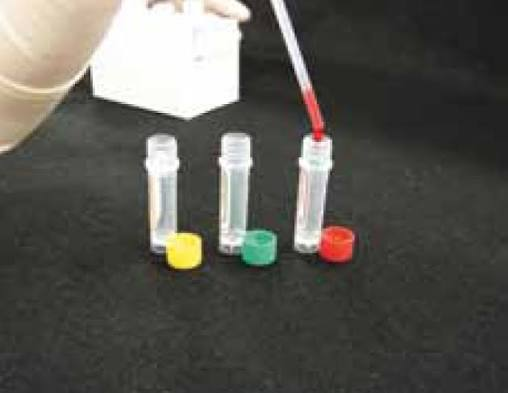
This is where crossmatching before a pet blood transfusion matters. In a lab, a sample of donor blood is mixed with the recipient’s blood components to see whether clumping or destruction occurs. If the sample reacts, that donor may not be a safe choice. Cornell’s overview of crossmatch testing explains this process in more detail.
Dogs and cats do not follow the exact same rules. Dogs often have a lower risk on a first transfusion if they have never been exposed to incompatible blood before, but that does not mean no risk. Cats are different. They have naturally occurring antibodies to other blood types, which means even a first mismatched transfusion can be dangerous. That is why feline transfusions demand careful blood typing and compatibility testing.
Blood typing and crossmatching answer different questions
People often hear both terms in the same conversation and assume they mean the same thing. They do not. Blood typing identifies a pet’s blood group. Crossmatching checks whether a specific donor and recipient pair are compatible.
For dogs and cats, blood groups are not interchangeable. A cat with type A blood should not receive type B blood. A dog that has had a prior transfusion may develop antibodies that make a later transfusion riskier, even if the donor looks acceptable on paper. The team may recommend both tests because each one catches something the other can miss.
Cornell’s page on canine and feline blood typing shows why this matters. Blood type tells the clinic where to start. Crossmatching helps confirm the safest donor choice for that individual pet.
You may hear your veterinarian say your pet needs a major crossmatch, a minor crossmatch, or both. The major crossmatch focuses on whether your pet’s plasma reacts against donor red blood cells. That is usually the main concern because those red cells are what the transfusion is meant to provide. The minor crossmatch looks at whether donor plasma may react with your pet’s red blood cells. Depending on the product being used, one may matter more than the other.
When a veterinary clinic may recommend crossmatching
Some cases are clear. If your pet has had a prior transfusion, crossmatching is often recommended before another one. If there is a history of a transfusion reaction, the need becomes even stronger. If your cat needs blood, compatibility testing is commonly part of good planning from the start. If your dog has immune disease, severe anemia, or an unclear transfusion history, your veterinarian may push for more testing because the risk of guessing is too high.
Timing also affects decisions. In a true emergency, a clinic may need to act fast. That can mean balancing ideal testing with the reality that your pet needs oxygen-carrying red cells right now. In less urgent cases, there is more time to run full tests and choose the safest donor. The clinical pathology resources at the University of Illinois Veterinary Diagnostic Laboratory help explain how lab testing supports these decisions.
Blood typing alone versus blood typing with crossmatching
| Approach | What it checks | Best use | Limits |
|---|---|---|---|
| Blood typing only | Identifies blood group | First step for dogs and cats, especially cats | Does not detect all donor-recipient incompatibilities |
| Crossmatching only | Looks for reaction between donor and recipient samples | Useful when prior transfusions or unknown exposure exist | Does not replace knowing the blood type |
| Blood typing plus crossmatching | Checks blood group and pair-specific compatibility | Often the safest plan for repeat transfusions and cats | May take more time and add cost |
The extra cost of testing can feel hard when you are already facing diagnostics, hospitalization, and treatment. Still, a reaction can cost more in every sense. It can delay recovery, require more intensive care, and put your pet through another crisis. Crossmatching for dogs and cats is often less about adding steps and more about avoiding preventable harm.
Three steps you can take right now
Ask whether your pet has ever had a transfusion before. If the answer is yes, mention when it happened and where. Even if it was years ago, that history matters.
Ask which tests are being done and why. You do not need a lecture in lab medicine. You need a clear answer. Is the team blood typing, crossmatching, or both? Is this an emergency where treatment must start before every result is back?
Ask what the main risks are for your pet’s case. A young dog with sudden blood loss is not the same as an older cat with chronic anemia. A good plan is case-specific. This is where a veterinary clinic can explain what they are watching for during and after the transfusion.
Careful matching gives donated blood its best chance to help
When your pet needs blood, every decision feels loaded. Crossmatching is one of the ways a veterinary team slows down just enough to make a safer choice. It does not erase every risk, but it can sharply reduce the chance of an avoidable transfusion reaction and help donated blood do what it is meant to do: support recovery.
If your dog or cat may need a transfusion, speak with your veterinary clinic about blood typing, crossmatching, and what the team recommends for your pet’s situation.
read more : 9 Casino Sites Designed for Clean Interfaces Without Visual Overload
