
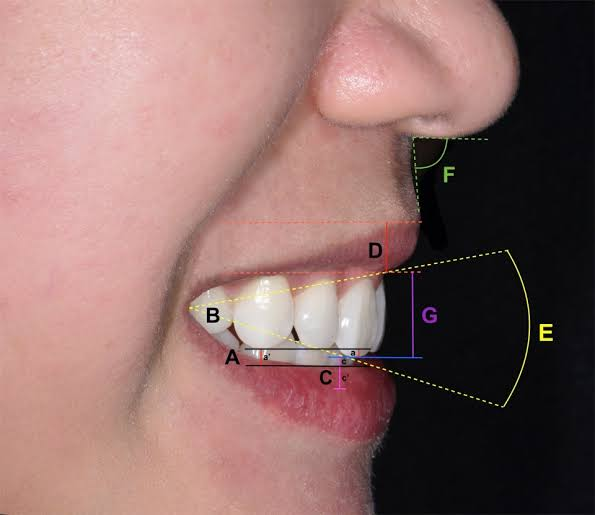
You look at a tooth in the mirror and it seems a little too short, too wide, or slightly twisted. Then a photo shows something different, and suddenly you are not sure what is real. That confusion is common. Teeth do not look the same from every angle, and small changes in light, lip position, bite, and camera distance can make one tooth seem fine in one view and off in another. At a dental clinic in Picayune, when a general and cosmetic dentist evaluates shape, the goal is not to judge one single surface in isolation. The goal is to see how the tooth works and looks from the front, the side, and the biting view so treatment matches your face, your smile, and your bite.
That matters because shape is not only a cosmetic issue. A tooth that appears bulky from the front may actually be rotated. A tooth that seems short may be worn down. A tooth that looks uneven may be in the right position, but the gum line or the neighboring teeth may be changing what your eye picks up. How dentists evaluate tooth shape from different viewing angles comes down to anatomy, proportion, symmetry, and function all at once.
Tooth shape analysis depends on more than the front view
Most people focus on the mirror view because that is the one they see every day. Dentists do not stop there. They study the facial view, which shows width, length, symmetry, and how the edges line up with your smile. They also study the side view, which reveals whether a tooth sticks out, leans inward, or has too much or too little contour. The biting or occlusal view shows the arch form, rotation, spacing, and how each tooth fits with the one across from it.
A front tooth can look square from straight ahead and still be too thick from the side. That extra thickness can affect speech, lip support, and the way light reflects. A back tooth can appear normal from above but have worn cusps that change how you chew. This is why tooth shape assessment from multiple angles is part of both routine and cosmetic planning.
Dental anatomy guides that process. Tooth surfaces, ridges, contact points, and cusp patterns are not random. They follow normal anatomical forms, with differences based on the type of tooth and whether it is a primary or permanent tooth. If you want a clearer sense of the structures dentists are comparing, this overview of tooth morphology and anatomy gives a solid foundation.
Small shape problems can signal bigger functional issues
You may think the concern is only visual. Sometimes it is. Sometimes it is the first sign of wear, grinding, erosion, crowding, or a bite imbalance. A chipped edge changes length from the front. Grinding flattens natural contours, which can make teeth look older and more uniform than they should. Rotation makes one tooth catch light differently, so it appears darker or wider. Recession can expose more root and alter the visible outline of the tooth.
This is where people often feel frustrated. You notice something looks off, but you cannot explain it. If you try to judge it from selfies alone, the problem can seem to move around. One day the tooth looks too long. The next day it looks pushed back. The issue is usually not your imagination. It is that tooth form has depth, and depth only shows up when the dentist checks every surface in relation to the rest of your mouth.
During a dental shape evaluation, the dentist may use photos, mirrors, digital scans, bite records, and close clinical measurements. They are checking line angles, incisal edge position, embrasures, tooth proportions, and contacts. They are also checking whether the visible shape matches the internal structure and the way the tooth functions during chewing. This review of occlusion and tooth relationships helps explain why shape and bite cannot be separated.
Primary and adult teeth follow different shape rules
If the concern involves a child, the evaluation changes. Primary teeth have different proportions, thinner enamel, and distinct crown shapes. A baby tooth that looks unusually small or flattened may still be normal for that stage of development. Dentists compare it against age, eruption pattern, and neighboring teeth before deciding whether there is a real problem. This reference on the anatomy of primary teeth shows how different those forms can be.
Adults often come in wanting one tooth reshaped or bonded, but the dentist may point out that the surrounding teeth, gum levels, or bite pattern are the real reason that tooth stands out. That can feel disappointing at first. It also prevents treatment that looks good in one photo and wrong everywhere else.
At home observations and professional dental evaluation are not equal
| What you are comparing | At home mirror or selfie check | Professional dental evaluation |
|---|---|---|
| Front view | Shows visible length and color, often distorted by angle and lighting | Measured against facial midline, smile line, and neighboring teeth |
| Side view | Easy to miss thickness, tilt, and lip support issues | Reveals contour, projection, wear, and restoration bulk |
| Biting view | Hard to see arch form and rotation clearly | Shows spacing, rotation, arch symmetry, and contact patterns |
| Bite impact | Usually guessed from appearance alone | Tested with bite analysis and tooth contact review |
| Treatment planning | Often focused on one tooth | Built around the whole smile and function |
Practical steps before changing tooth shape
Take consistent photos. Use the same lighting, same distance, and relaxed lips. Include straight on, right side, left side, and a broad smile. That gives a cleaner starting point and helps show whether the issue is repeatable or just a camera effect.
Track symptoms, not just appearance. Note any chipping, clenching, jaw soreness, food trapping, speech changes, or sensitivity. Cosmetic concerns often overlap with function, and those details help the dentist connect shape changes to wear or bite stress.
Ask for a full smile and bite review. If you are considering bonding, contouring, veneers, or crowns, ask for an evaluation of the whole smile first. A proper dentist tooth shape evaluation should include multiple views, not a quick decision based on one photo or one tooth.
Seeing the full picture leads to better results
If a tooth has been bothering you, there is usually a reason your eye keeps going back to it. The answer just may not be the one a mirror suggests. Shape changes with perspective, and good treatment depends on understanding every perspective that matters. A general and cosmetic dentist looks at width, length, contour, bite, and symmetry together so the result feels natural in real life, not only in a single snapshot.
You do not need to keep guessing. Schedule a professional evaluation and get a clear plan for what your tooth shape is doing from every angle and what, if anything, should be changed.
read more : Home Floor Coating Services for Garage and Outdoor Spaces
