
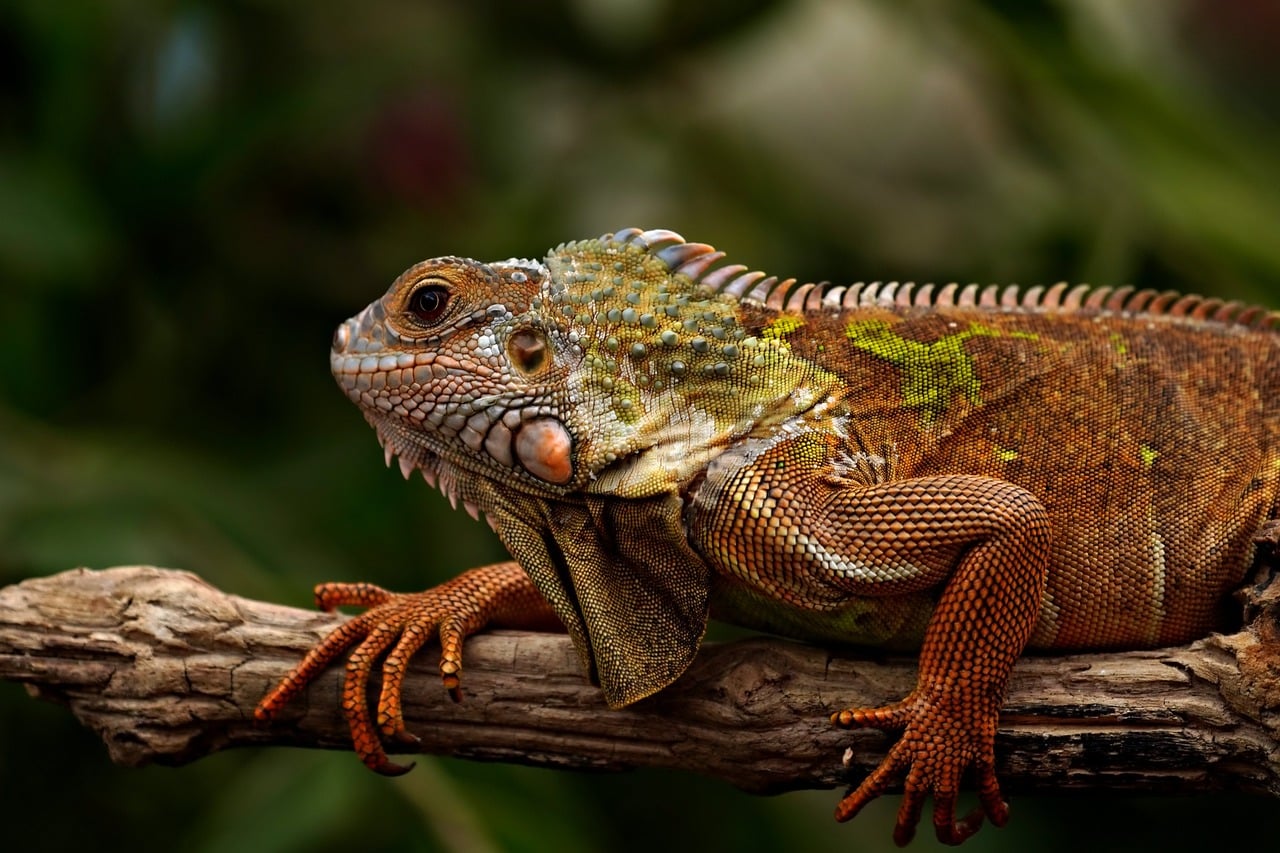
You know your pet’s normal habits better than anyone. When a rabbit stops eating, a parrot sits quiet at the bottom of the cage, or a bearded dragon seems weak under the heat lamp, the worry sets in fast. Exotic pets often hide illness until they are truly struggling, which means small changes can carry a lot of weight. That is why care for these animals feels different, and in some cases diagnostic pet endoscopy in Fullerton CA can help uncover what is wrong. It is different.
How Veterinary Hospitals Care For Exotic Pets comes down to specialized handling, species-specific medicine, and faster attention to subtle warning signs. A dog or cat exam does not always translate to a ferret, tortoise, sugar glider, or cockatiel. The right veterinary hospital looks at diet, habitat, temperature, lighting, stress, and behavior along with the medical problem in front of them.
You may already sense that something is off, but it is hard to know whether it is urgent, whether a general practice clinic can help, or whether you need an exotics team. That uncertainty is common, and it is one of the hardest parts of owning these animals.
Exotic pet care at a veterinary hospital requires species-specific expertise
Exotic animals are not one category in any practical sense. Birds, reptiles, amphibians, rabbits, and small mammals all have different anatomy, metabolism, and stress responses. A rabbit with gut stasis can decline quickly. A reptile with poor UVB exposure may develop bone disease over time, then suddenly stop moving normally. A bird may look stable right up until it is in crisis.
This is where exotic pet veterinary care stands apart. Veterinary hospitals that treat exotics do more than examine the animal. They review enclosure setup, humidity, substrate, social stress, nutrition, and handling routines because those details often cause or worsen disease. A hospital may also use quieter exam spaces, warm support during treatment, and restraint methods designed to reduce fear and injury.
Specialized hospitals often provide advanced diagnostics that matter for unusual species, including imaging, lab work, anesthesia planning, and surgery adapted to very small bodies or sensitive airways. If you want to see how academic hospitals structure these services, North Carolina State offers dedicated exotic animal care services, Washington State provides exotics veterinary care, and Cornell lists access to its veterinary hospital system.
Delays in treatment can hit exotic pets harder than owners expect
Many owners wait because the signs seem mild. A chinchilla is quieter than usual. A snake skips a meal. A guinea pig eats, but less. That delay makes sense. Exotic pets can be hard to read, and many people have been told to “watch and wait.” The trouble is that these animals often compensate until they cannot anymore.
Stress adds another layer. Travel, loud waiting rooms, rough handling, and temperature changes can worsen the condition before the exam even starts. Veterinary hospitals that regularly see exotic species plan around that reality. They may shorten waiting time, separate predator and prey species, and tailor sedation and pain control to the animal in front of them.
Cost is another real concern. Exotics care can involve imaging, blood work, hospitalization, and habitat correction at home, all at once. That can feel like a lot, especially when the problem began with one vague symptom. Still, early care is often less costly than emergency care after a crash. A rabbit treated early for appetite loss may need supportive care and husbandry changes. The same rabbit seen two days later may need intensive hospitalization.
Veterinary hospitals often treat the habitat along with the pet
Owners sometimes expect a prescription and a quick fix. With exotic pets, the enclosure is often part of the diagnosis. A turtle’s shell problem may trace back to water quality and lighting. A cockatiel’s feather damage may connect to stress, nutrition, or chronic infection. A hedgehog’s skin issue may involve bedding, humidity, mites, or all three.
This is why care for exotic pets usually includes detailed home instructions. You may leave with medication, feeding guidance, a new heat range, a different bulb, quarantine advice, and a recheck plan. That can feel overwhelming at first, but it is often the difference between short-term relief and real recovery.
Common differences between general pet care and exotic animal medicine
Care Factor | General Dog or Cat Visit | Exotic Pet Hospital Visit |
|---|---|---|
Illness signs | Symptoms are often easier to spot | Symptoms are subtle and may appear late |
Exam handling | Standard restraint is often enough | Handling must be tailored to species and stress level |
Diagnostic approach | Common reference ranges are widely available | Species-specific interpretation is often needed |
Home review | Diet and routine matter | Habitat, temperature, humidity, lighting, and substrate may be central |
Treatment urgency | Some conditions can be monitored briefly | Waiting can lead to rapid decline in many species |
Three steps you can take right away for better exotic pet care
Track small changes before they become emergencies. Write down appetite, droppings, weight, activity, and shedding or feather condition. For birds and small mammals, daily or weekly weights can reveal trouble before it is obvious. A kitchen scale often helps more than guesswork.
Review the habitat with a critical eye. Check temperature gradients, UVB lighting age, humidity, cage size, hiding spaces, diet balance, and water quality. Many health problems in veterinary care for exotic animals start with husbandry, and fixing that early can prevent repeat visits.
Find an exotics-capable veterinary hospital before you need one. Do not wait for a weekend emergency to start searching. Ask whether the hospital sees your species regularly, what urgent care options exist, and whether they offer imaging, surgery, or hospitalization if your pet declines.
Skilled veterinary hospital care gives exotic pets a better chance
Exotic pets need more than a standard appointment slot and a best guess. They need a team that understands how fast these animals can fade, how much the habitat matters, and how carefully treatment has to be planned. If you have noticed a change and your instincts are telling you something is wrong, trust that feeling and schedule an exam with a veterinary hospital that treats exotics.
See more: How Veterinary Hospitals Monitor Pets After Receiving New Medications
Prompt care can protect your pet from a crisis and give you clearer answers, which is often what you need most when everything feels uncertain.
