
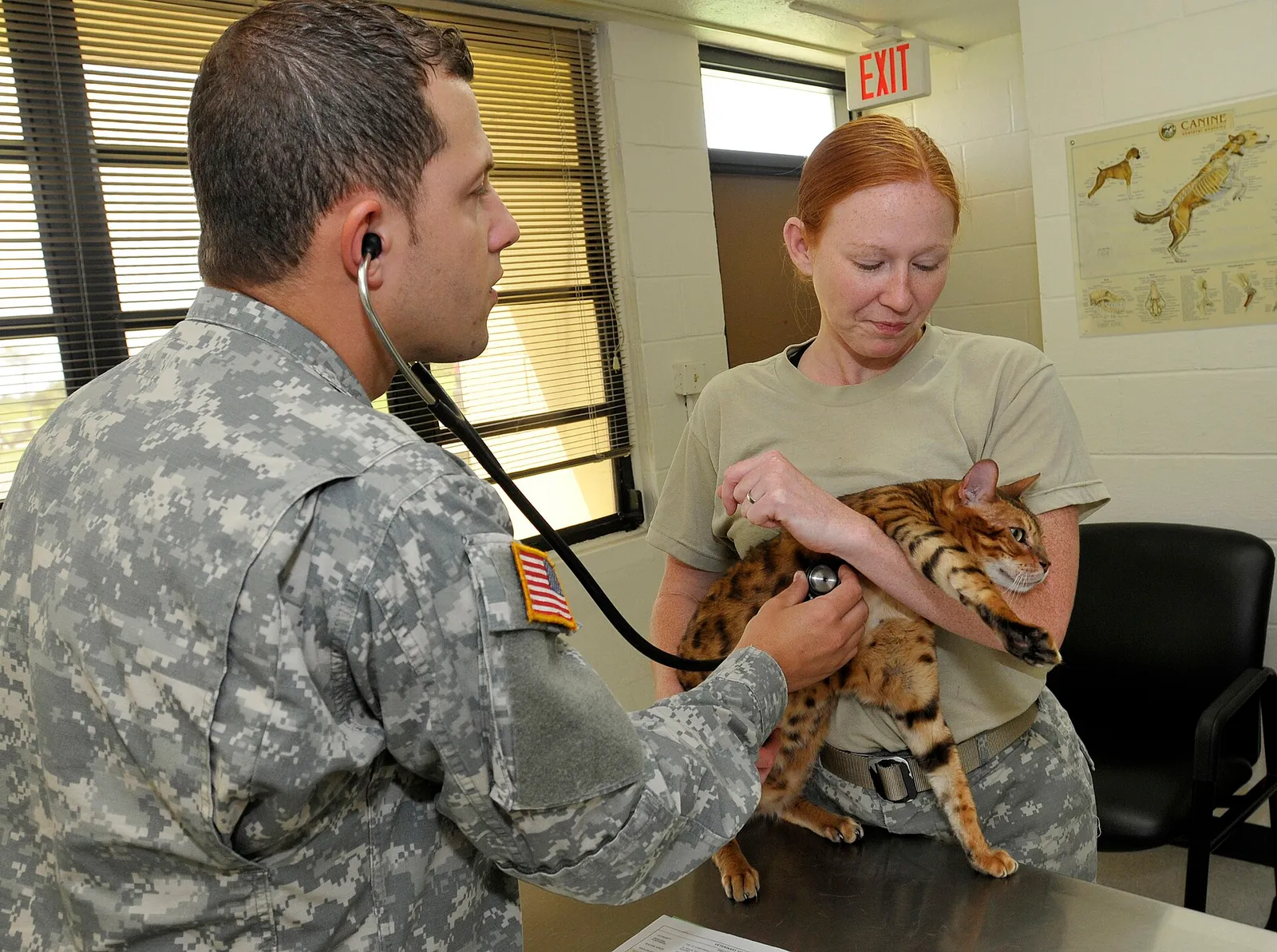
You know your pet’s normal look, their walk, the way they settle when they feel safe. That is why a vet visit can feel so hard. The car ride is tense, the waiting room smells unfamiliar, and your dog or cat may start shaking, panting, hiding, or pulling toward the door. When your pet needs care, you want treatment that works, but you also want kindness, calm handling, and as little fear as possible from a veterinarian in Louisville, KY.
That is where a good animal hospital makes a real difference. The best teams do more than diagnose and treat. They pay close attention to stress, pain, noise, handling, and recovery. 5 Ways Animal Hospitals Keep Pets Comfortable During Treatment comes down to a few core things: lowering fear before the exam starts, using gentle restraint, managing pain early, creating a quieter setting, and adjusting care to the pet in front of them. That combination can change the whole experience for both of you.
Low stress handling helps pets feel safer from the start
Many pets arrive at an animal hospital already on edge. Dogs may tremble or bark. Cats often freeze, crouch, or try to disappear into the carrier. Once that fear spikes, even a simple exam can become harder. Heart rate rises, muscles tense, and a pet that is sweet at home may look defensive in the exam room.
Hospitals that focus on comfort train staff to read body language early and respond before stress builds. That can mean offering treats, moving slowly, avoiding direct staring, and giving the pet a moment to settle instead of rushing in. Some clinics use towels for cats, non slip mats for dogs, and positioning that feels less threatening. Ohio State University has outlined low stress handling in veterinary practice as a practical way to reduce fear and improve care.
This matters because force often creates more resistance. Gentle handling usually makes exams, blood draws, nail trims, and imaging easier, not harder. It also helps your pet leave with fewer bad memories tied to the visit.
Pain control is built into modern veterinary treatment
Pets do not always cry out when they hurt. Some become quiet. Some stop eating. Some act restless or snappy, which owners sometimes read as fear alone. In reality, discomfort and fear often overlap. A pet in pain is less likely to tolerate touch, movement, or treatment.
Good veterinary teams plan for pain before, during, and after procedures. That may include local anesthetics, anti inflammatory medication, sedation, or post treatment pain relief tailored to your pet’s age, weight, and condition. Comfort is not an extra. It is part of competent care.
If your dog needs a wound cleaned or your cat needs dental work, pain control can be the difference between a rough experience and a manageable one. This is one reason pet comfort during veterinary treatment has become such a central part of quality care. When pain is managed early, pets recover more smoothly and are often less fearful at the next visit.
A calmer environment reduces stress in dogs and cats
The setting itself affects how pets cope. Loud barking, slick floors, strong odors, and crowded waiting areas can push an already nervous pet over the edge. Animal hospitals that take comfort seriously try to reduce those triggers where they can.
Some separate cats and dogs in waiting or exam spaces. Some bring clients directly into a room. Others dim lights, use soft bedding, or schedule anxious pets at quieter times of day. Virginia Tech shares useful guidance on stress free veterinary trips, including steps that lower anxiety before your pet even arrives.
That preparation at home matters too. A familiar blanket, a carrier left out days in advance, or a few short practice car rides can soften the buildup. Cornell also offers tips on making veterinary visits less stressful for dogs, which can help if your pet starts worrying the moment you reach for the leash.
Comfort focused animal care changes what treatment looks like
There is a big difference between getting a procedure done and getting it done in a way that protects your pet’s trust. That shows up in small choices. A technician may perform an exam on the floor instead of lifting a large dog onto a table. A cat may stay partly covered in a towel during treatment. A nervous pet may receive pre visit medication so the hospital can avoid a cycle of panic and restraint.
This is where animal hospital care for pets becomes more personal. One pet may need extra time. Another may need fewer people in the room. Another may do best with sedation because fear is so intense that pushing through would be unsafe. There is no single script, and that is the point. Good care adjusts to the patient.
Comfort Measure | What It Looks Like | Why It Helps |
|---|---|---|
Low stress handling | Slow approach, treats, towel wraps, non slip surfaces | Reduces fear and lowers resistance during exams |
Pain management | Local numbing, sedation, post procedure medication | Prevents discomfort from escalating stress |
Quiet environment | Separate spaces, faster room placement, softer lighting | Limits sensory overload |
Pre visit planning | Practice trips, familiar bedding, possible calming meds | Reduces anxiety before arrival |
Individual treatment plans | Adjusting handling, timing, and restraint to the pet | Improves safety and preserves trust |
Small steps before the visit can improve your pet’s experience
1. Watch your pet’s stress signals.
Panting, lip licking, yawning, tucked tails, pinned ears, hiding, and refusing treats can all signal anxiety. Write down what you notice before and during visits. That gives the veterinary team a clearer picture and helps them tailor the appointment.
2. Ask how the hospital handles nervous pets.
You are allowed to ask direct questions. Do they use low stress handling? Can you wait in the car until a room is ready? Are quiet appointments available? Can they suggest pre visit medication if your pet has a history of panic? A good animal hospital will welcome those questions.
3. Practice the visit when nothing is wrong.
Leave the carrier out at home. Reward your dog for getting in the car. Take short drives that do not end at the clinic. Bring your pet’s favorite blanket or treats to appointments. These small repetitions can reduce the “something bad is about to happen” feeling that many pets learn over time.
Comfort is part of good treatment, not a bonus
If you have ever felt guilty bringing a frightened pet to the vet, that feeling is common. You are trying to do the right thing while watching your pet struggle through a place they do not understand. The good news is that many hospitals now treat emotional comfort and physical care as part of the same job.
Ways vets keep pets calm during treatment are not fancy extras. They are practical steps that help pets feel safer, help staff work more gently, and help owners breathe a little easier. When you choose an animal hospital, look for one that sees your pet as more than a case. That kind of care stays with them long after the appointment ends.
