
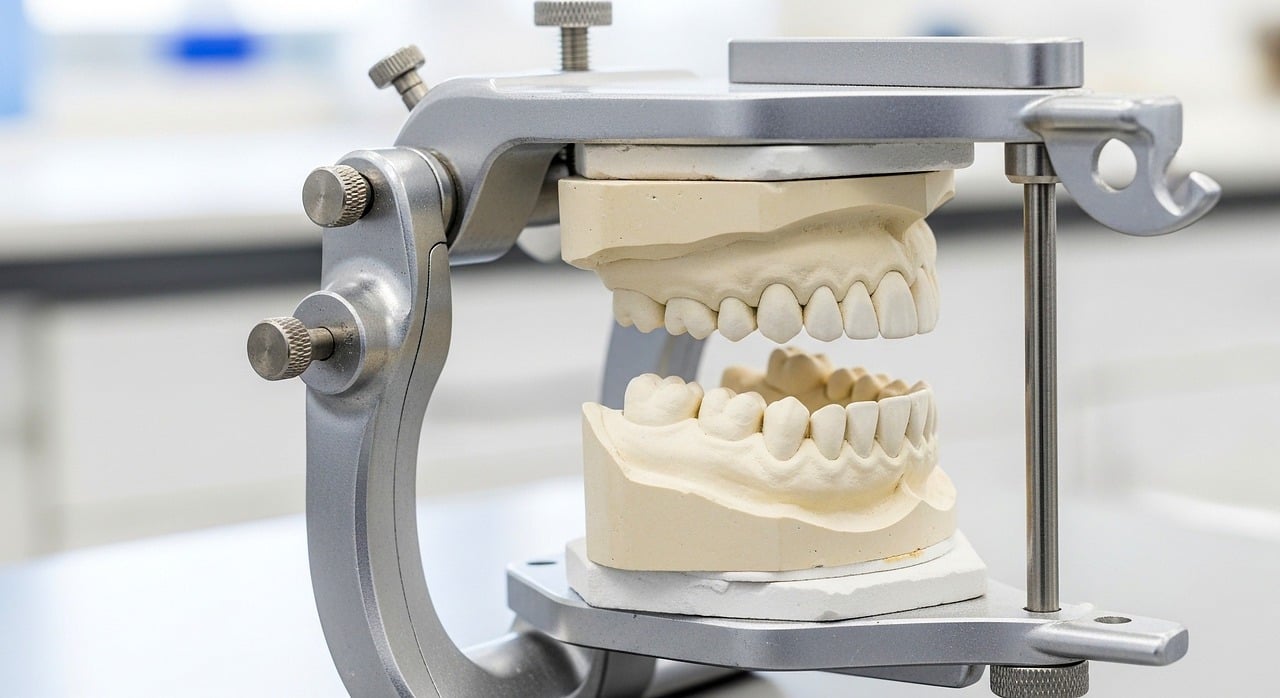
You may have noticed it in a quiet moment. Your bite feels a little off, one tooth seems to hit first, your jaw gets tired by the end of the day, or chewing feels less natural than it used to. That kind of change can be hard to explain to other people, especially when it seems small, but your mouth notices small differences fast. A slight shift in how your teeth meet can change the way your muscles work, how your jaw joints move, and how comfortable eating, speaking, and resting feel. In some cases, people looking into porcelain dental crowns near North Scottsdale may also be trying to address these subtle but important changes.
Why Small Changes In Tooth Contact Can Affect Comfort comes down to force and repetition. Your teeth, jaw joints, and chewing muscles work as a system. When one contact point changes, the rest of the system often compensates. Sometimes that leads to mild awareness that fades. Sometimes it turns into soreness, clenching, headaches, tooth sensitivity, or strain in the jaw. A general dentist can help sort out whether the issue is your bite, a cracked tooth, grinding, dental work that needs adjustment, or a jaw condition that deserves closer attention.
Small bite changes can create bigger daily discomfort
Your bite is not just about whether your teeth touch. It is about when they touch, where they touch, and how evenly force spreads when you chew or close your mouth. If one filling sits a little high, if a crown changes contact on one side, or if a tooth shifts from grinding or gum changes, your jaw may start working around that new pattern.
You might start chewing on one side without thinking. Then the muscles on that side get overused, while the other side stops sharing the work. Some people wake up with facial soreness and assume they slept badly. Others feel a sharp spot on one tooth and begin avoiding certain foods. That small avoidance can turn into a habit, and habits change muscle tension fast.
This is one reason small changes in tooth contact and jaw comfort matter. Your body is good at adapting, but adaptation is not the same as comfort. A bite that feels uneven for a few days may settle. If it lasts, the strain can build.
Jaw joints and chewing muscles react to uneven tooth contact
The temporomandibular joints connect your jaw to your skull, and they depend on balanced movement. When your teeth guide the jaw into an awkward path, the muscles often tighten to protect you or to force the bite into a position that feels stable. That can lead to jaw fatigue, clicking, limited opening, or pain around the temples and ears. The National Institute of Dental and Craniofacial Research explains more about temporomandibular disorders and related symptoms.
Not every bite change causes a jaw disorder, and not every jaw symptom starts with the teeth. Stress clenching, arthritis, injury, and sleep grinding can all be part of the picture. MedlinePlus has a clear overview of temporomandibular joint dysfunction, including symptoms that often overlap with bite problems.
That overlap is why guessing can waste time and money. If you keep adjusting how you chew, switching to softer foods, or buying over the counter guards without an exam, you may miss the real cause. A general dentist looks at contact points, tooth wear, restorations, gum support, muscle tenderness, and jaw motion together. In some cases, the discomfort comes from a cracked tooth or inflamed ligament around a single tooth rather than the whole bite. A clinical review from the NCBI Bookshelf outlines how occlusion affects oral function and comfort.
Professional evaluation gives clearer answers than self-testing
People often test their bite at home by tapping their teeth together, sliding the jaw around, or focusing on the one tooth that feels different. That can make you more aware of the problem without telling you why it is happening. The mouth is sensitive. Once your attention locks onto a contact point, it can feel even larger than it is.
A dentist has a better way to sort this out. Bite paper can show where teeth contact. A visual exam can catch a restoration that is too high, a worn edge, or a tooth that has shifted. X rays may reveal infection, fracture, or bone changes. If you grind at night, the wear pattern often tells that story. If muscles are driving the pain, the teeth may not need adjustment at all.
Situation | What you may notice | Risk of waiting | What a general dentist may do |
|---|---|---|---|
High filling or crown | One tooth hits first, soreness when biting | Tooth pain, muscle strain, avoidance chewing | Check contact points and adjust the restoration |
Night grinding or clenching | Morning jaw fatigue, headaches, worn teeth | Cracks, sensitivity, joint strain | Evaluate wear and discuss a guard or behavior changes |
Shifted or mobile tooth | Bite suddenly feels uneven, pressure on one area | More movement, gum stress, pain with chewing | Assess gum support, bite load, and tooth stability |
Jaw muscle or joint issue | Clicking, limited opening, ear area pain | Persistent pain and reduced function | Examine jaw movement and guide treatment or referral |
Tooth contact changes deserve simple, prompt action
1. Track the pattern
Notice when the discomfort shows up. Is it worse in the morning, during meals, or after stress? Does one tooth feel higher after recent dental work? Does the pain happen when chewing, or even when you are not eating? Write down the timing, side, and triggers. That gives your dentist useful detail and helps separate a bite issue from muscle tension or tooth damage.
2. Stop testing the bite all day
Repeatedly tapping your teeth together can irritate the teeth and jaw muscles. Try to keep your teeth apart when you are not chewing or swallowing. Lips together, teeth apart is a good resting position for many people. Choose softer foods for a short time if chewing hurts, but do not build a long habit of one sided chewing unless your dentist tells you to.
3. Schedule an exam before the discomfort becomes a pattern
A recent change in your bite after a filling, crown, chipped tooth, or orthodontic movement should be checked. So should jaw pain, headaches tied to chewing, or a feeling that one tooth takes too much pressure. This is where bite changes and dental discomfort become easier to manage early. A small adjustment or a focused diagnosis from a general dentist can prevent weeks of guarding, soreness, and second guessing.
Comfort often returns once the real cause is identified
Also read: How Dentists Evaluate Tooth Shape From Different Viewing Angles
If your bite feels different, you are not imagining it. Small changes in tooth contact can have a real effect because your teeth, muscles, and joints work together all day. The good news is that many causes are manageable once they are identified clearly. You do not need to keep pushing through meals or wondering whether the feeling will just disappear. Reach out to a general dentist and get the problem evaluated while it is still small.
