
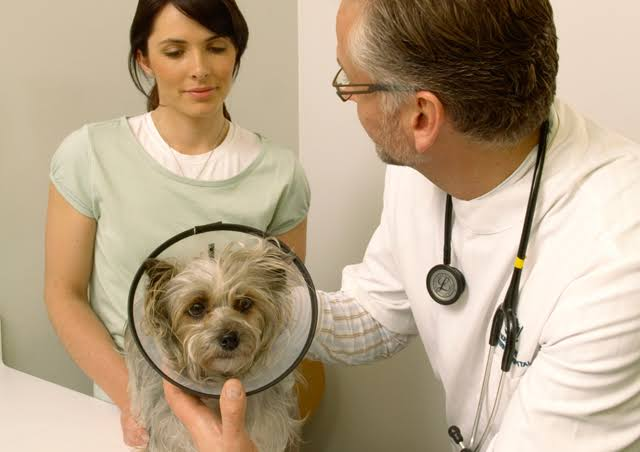
You bring your pet home with a new prescription, then every small change feels loaded. A nap seems longer than usual. Dinner sits untouched. A little pacing, a little drooling, a look that seems off. You are not overreacting. Starting a new drug can be stressful because the line between normal adjustment and a problem is not always clear in the first day or two. If your pet recently had pet surgery Oakville, those first changes can feel even harder to interpret.
That is why how veterinary hospitals monitor pets after receiving new medications matters so much. Good follow up is not just a courtesy. It is part of treatment. An animal hospital tracks response, watches for side effects, checks dosing, and looks for medication errors before they turn into bigger issues. The goal is simple. Help the medicine do its job while catching trouble early.
Veterinary medication monitoring starts with a baseline and a plan
When a pet starts a new medication, the safest hospitals do not wait for something to go wrong. They begin with a baseline. That may include weight, heart rate, breathing rate, appetite, water intake, bathroom habits, energy level, pain score, or bloodwork, depending on the drug. If your dog starts an anti inflammatory medicine, kidney values may matter. If your cat starts a thyroid drug, blood pressure and lab trends may matter. If your pet begins a seizure medication, timing and frequency of episodes become part of the record.
This first step sounds simple, but it changes everything. Without a baseline, a hospital has to guess whether a symptom is new, expected, or unrelated. With a baseline, the team can compare today with yesterday and make a smarter call.
The next piece is a monitoring schedule. Some pets need a call in 24 to 48 hours. Others need recheck bloodwork in one or two weeks. A pet on long term pain control may need repeat labs every few months. A pet recovering from surgery may need close observation for sedation, nausea, or poor appetite in the first night. Pet medication follow up is never one size fits all because the risks depend on the medication, the pet’s age, existing disease, and how many other drugs are already in the mix.
Side effects and medication errors can look subtle at first
Many problems do not start with a dramatic emergency. They start small. A dog that seems a little restless after a steroid. A cat that hides after an antibiotic. A senior pet that drinks more water after a new prescription. Sometimes that change is expected and temporary. Sometimes it points to a dose that needs adjusting. Sometimes it signals an adverse reaction that should not be ignored.
Medication errors add another layer. A pet may get the wrong strength, the wrong schedule, or a refill that interacts with another drug already at home. The FDA maintains information about veterinary medication errors, and those reports show how easily mistakes can happen when labels are confusing, instructions are misunderstood, or multiple caregivers share the job.
You can see why hospitals ask so many follow up questions. Is your pet eating. Any vomiting or diarrhea. More sleepy or more agitated. Drinking more. Urinating more. Limping less. Scratching less. Breathing normally. Those details help the team separate expected effects from warning signs. They also help them decide whether the answer is reassurance, a dose change, a recheck exam, or urgent care.
Animal hospitals use layered monitoring to protect pets on new prescriptions
Strong monitoring usually combines several tools. Staff may review the chart for allergies, current medications, and lab history before the drug is dispensed. Written instructions should explain how much to give, when to give it, whether it should be taken with food, and which symptoms should trigger a call. Recheck reminders help owners stay on schedule, especially when a pet seems better and the need for follow up feels less urgent.
For higher risk drugs, the hospital may recommend lab work, blood pressure checks, or therapeutic drug monitoring. For behavior medications, pain medications, seizure drugs, insulin, steroids, and drugs that affect the liver or kidneys, follow up often matters as much as the prescription itself. Data from the FDA’s animal drug adverse event database supports what clinicians already know. Reactions do happen, and careful tracking helps catch patterns early.
| Monitoring step | What the hospital checks | Why it matters |
|---|---|---|
| Baseline exam | Weight, symptoms, current conditions, existing drugs | Shows what is normal for your pet before treatment begins |
| Home observation | Appetite, energy, vomiting, stool, thirst, behavior | Catches early side effects between visits |
| Follow up call or visit | Response to treatment, dose tolerance, owner questions | Helps adjust the plan before a minor issue grows |
| Lab monitoring | Kidney values, liver values, drug levels, glucose, thyroid values | Finds internal changes you cannot see at home |
| Medication review | Refills, interactions, timing, administration errors | Reduces preventable drug related problems |
Monitoring pets on new medication works best when owners and hospitals share details
The hospital can only act on what it knows. If your pet spits out half a tablet, gets a double dose by mistake, or stops eating after the second day, that information matters. The same is true if the medicine is working well. Improvement helps the veterinarian decide whether to stay the course or taper treatment later.
This is where monitoring pets on new medication becomes a team effort rather than a passive wait and see process. You do not need to know every drug interaction or lab value. You just need to notice changes and report them clearly. A short log on your phone often works better than memory, especially when you are tired and trying to remember whether the vomiting started before breakfast or after the evening dose.
Three steps you can take right away
1. Keep a simple medication log. Write down the time each dose was given, how much your pet actually received, and any changes in appetite, energy, thirst, bathroom habits, or behavior. Patterns show up fast when they are written down.
2. Ask for red flag symptoms in plain language. Before you leave the animal hospital, make sure you know which effects are expected and which ones mean call today. “Sleepy” is vague. “Too sleepy to stand, repeated vomiting, trouble breathing, facial swelling, collapse” is clear.
3. Do not skip rechecks because your pet seems fine. Some adverse effects show up on bloodwork before they show up at home. That follow up visit may be the moment a hidden problem gets caught early.
New medication can make any pet owner feel on edge, especially when the changes are subtle and the instructions feel like a lot to hold at once. Good care is not just the prescription. It is the follow through, the check ins, and the attention to small shifts that tell the real story. If your pet has started a new drug, stay in close contact with your animal hospital and report changes early. That steady partnership is often what keeps a routine treatment from becoming a crisis.
read more : Struggling With Intake Billing? Let’s Break Down CPT Code 90791
