
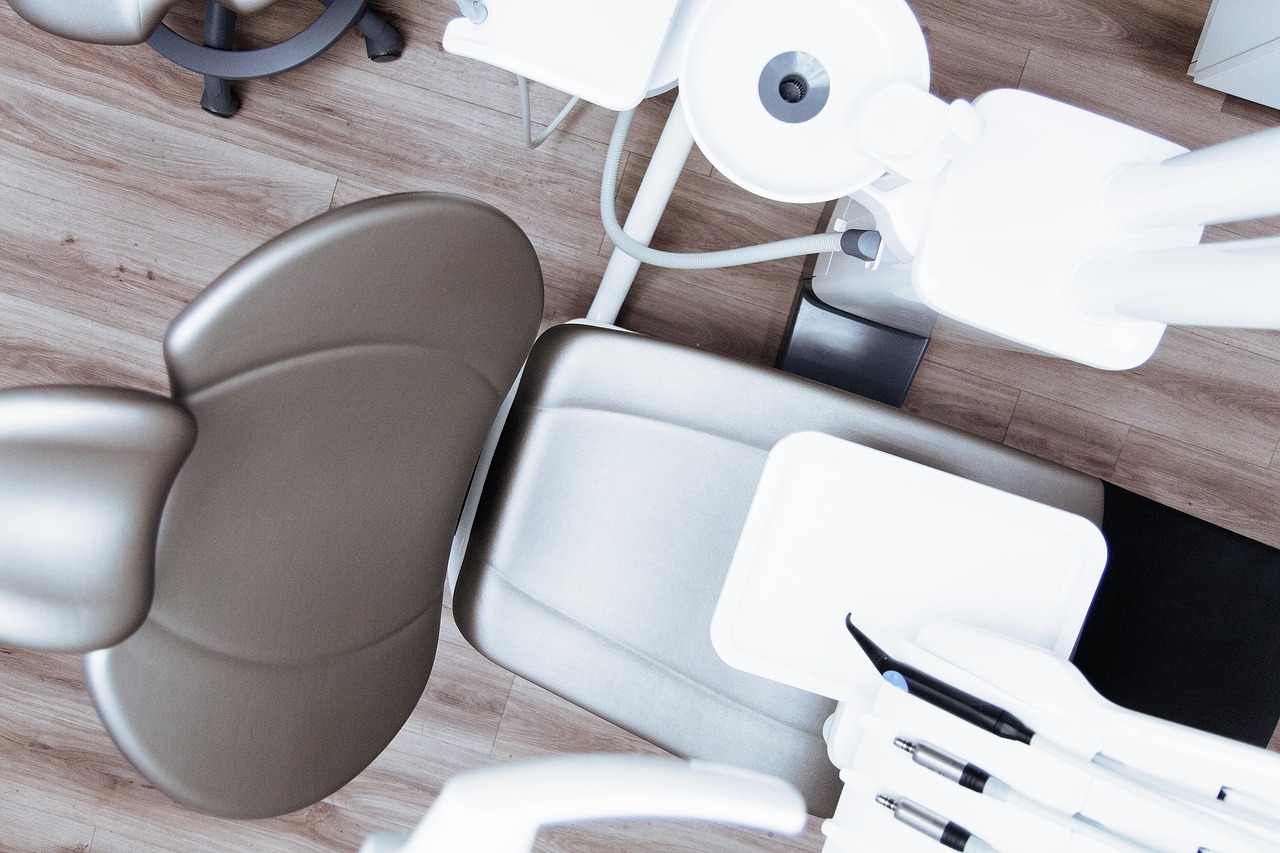
If you use a wheelchair, walker, scooter, or cane, a dental visit can feel like more than a routine appointment. You may be thinking about the doorway, the transfer to the chair, the length of the visit, the bathroom, the parking, and whether anyone in the office will understand what you need without making you explain it three times. That stress is real, and it can be enough to make people put off care even when they are already dealing with tooth pain, bleeding gums, a broken filling, or need urgent dental treatment in Richmond.
How family dentistry supports patients who use mobility aids comes down to access, planning, and respect. A good office does more than offer treatment. It makes the visit workable from the first phone call to the trip back home. That includes clear communication, enough space to move safely, help with positioning, and a team that knows how to adapt care without treating you like a problem to solve.
Accessible family dental care starts before you arrive
Many barriers happen before anyone reclines a dental chair. If scheduling is rushed or the front desk does not know how to answer basic access questions, you are left guessing. Can the office accommodate a wheelchair? Is there a step at the entrance? Is there a transfer board or space for a caregiver to assist? If you need extra time because transfers are slower or muscle fatigue sets in, a standard appointment slot may not be enough.
That uncertainty often leads to delays, and delays have consequences. Small dental issues turn into larger ones. A cavity that could have been handled in one short visit becomes a toothache, then an infection, then a more expensive treatment plan. The National Institute of Dental and Craniofacial Research discusses oral health needs among people with disabilities in its resource on developmental disabilities and dental care, including the need for communication and office preparation that fit the patient rather than forcing the patient to fit the office.
A family dentist who serves patients using mobility devices well will usually ask practical questions ahead of time. They may ask how you transfer, whether you need support pillows, whether your chair reclines, whether you are sensitive to long appointments, or whether morning visits work better because your energy is higher. Those details are not extra. They shape whether care is safe and realistic.
Mobility support in dental care affects comfort, safety, and follow through
Physical access is only one part of the visit. Positioning matters just as much. Some patients can transfer into a dental chair with minimal help. Others need to remain in their own chair if equipment and treatment allow. Some need breaks because of pain, spasticity, shortness of breath, or pressure concerns. If a team ignores that, even a simple cleaning can become exhausting.
You may also be managing issues that are easy for others to miss. Holding your mouth open for long periods can strain your neck or jaw. A narrow hallway can make turning difficult. A sink or check in counter that is too high can make basic communication feel awkward. When these things happen over and over, people stop feeling welcome. That is one reason access is tied to oral health outcomes. The Oral Health in America report describes ongoing disparities in oral health and access to care across populations with added barriers.
Dental care for patients with mobility aids also works better when the office includes caregivers appropriately. Sometimes a spouse, parent, aide, or friend helps with communication, transfers, head support, or medical history. The right office does not shut that person out. It keeps the patient at the center, speaks directly to you, and uses your support person when that actually helps.
Family dentist visits become easier when common barriers are planned for
Good care is often about small adjustments done consistently. A longer appointment slot can reduce rushing. A room on the ground floor can avoid difficult transfers between spaces. A simple note in your chart about how you enter the operatory can save you from repeating the same explanation every visit. If you have a condition that affects movement, grip, or fatigue, home care advice should match your reality. A larger toothbrush handle, a power brush, floss holders, or fluoride options may be more useful than generic instructions.
This is where a family dentist can make a real difference. Family practices often see patients over time, which helps the team learn what works for your body, your schedule, and your comfort level. That continuity matters. Familiarity lowers stress, and lower stress makes it easier to keep regular appointments instead of waiting until something hurts.
Practical differences between standard scheduling and accessible dental planning
Area | Standard Visit | Accessible Planning for Mobility Aid Users |
|---|---|---|
Appointment length | Short, fixed time slot | Extra time for transfers, rest breaks, and positioning |
Operatory setup | Default room assignment | Room chosen for turning space, equipment access, and caregiver support |
Seating | Expected transfer to dental chair | Transfer support or treatment approach adapted when transfer is difficult |
Communication | Basic intake only | Advance discussion of mobility needs, fatigue, pain, and timing |
Home care advice | General instructions | Tools and routines adapted to grip, reach, endurance, and caregiver help |
Likelihood of follow through | Lower if visits are physically draining | Higher when visits feel safe, respectful, and predictable |
Three steps you can take before your next appointment
1. Call ahead with specific access questions. Ask about parking, ramps, door width, elevator access, bathroom access, transfer options, and whether a caregiver can join you. Ask how long the visit is scheduled and whether extra time can be added.
2. Share your physical needs in plain terms. Tell the office if you need help with positioning, if you fatigue quickly, if mornings are easier, or if you need to stay in your mobility device as long as possible. The more concrete you are, the easier it is for the team to prepare.
3. Ask for home care tools that fit your routine. If standard brushing and flossing are hard on your hands, shoulders, or back, say so. A different toothbrush, handle grip, floss aid, or fluoride product can make daily care more doable and reduce the number of difficult appointments later.
Respectful family dental care supports health and dignity
You should not have to choose between protecting your oral health and managing the physical strain of getting through an appointment. The best family dental care recognizes that access is part of treatment. When an office plans ahead, listens closely, and adapts care to your mobility needs, the visit becomes less draining and more sustainable over time.
If you are looking for a dental home that understands mobility access, reach out and ask direct questions about accommodations, scheduling, and support during treatment. The right fit is a practice that treats your needs as normal, not inconvenient.
