
You paid attention to your smile for a reason. Maybe you invested in veneers, bonding, crowns, or whitening because you were tired of hiding your teeth in photos, or maybe you just wanted your smile to match how you feel inside. Once that work is done, a new worry tends to creep in. You start noticing every cup of coffee, every hard snack, every night you forget to floss, and you wonder if one small habit is going to shorten the life of your results. If you have concerns, talking with a dentist in Roseville, MI can help you protect your investment and keep your smile looking its best.
That concern makes sense. Cosmetic dental work is not something most people want to redo sooner than necessary, and the habits that protect it are usually simple, but they need to be consistent. The good news is that long term care does not require a complicated routine. A few steady choices can help your restorations stay clean, stable, and natural looking for years.
Daily cleaning habits help cosmetic restorations last longer
The first habit is brushing twice a day with a soft bristled toothbrush and a non abrasive toothpaste. Restorations such as veneers, bonding, and crowns do not decay the way natural enamel does, but the teeth around them still can. Plaque also builds up along the edges, and that is often where trouble starts. If the margin around a restoration gets irritated or weakened, the work can stain, loosen, or fail earlier than expected.
A lot of people assume a harder scrub means a better clean. It usually does the opposite. Aggressive brushing can wear away polish, roughen surfaces, and irritate the gumline. A gentler technique protects both your natural teeth and your cosmetic work. The CDC’s oral health tips for adults support the basics here, including daily brushing and flossing as the backbone of prevention.
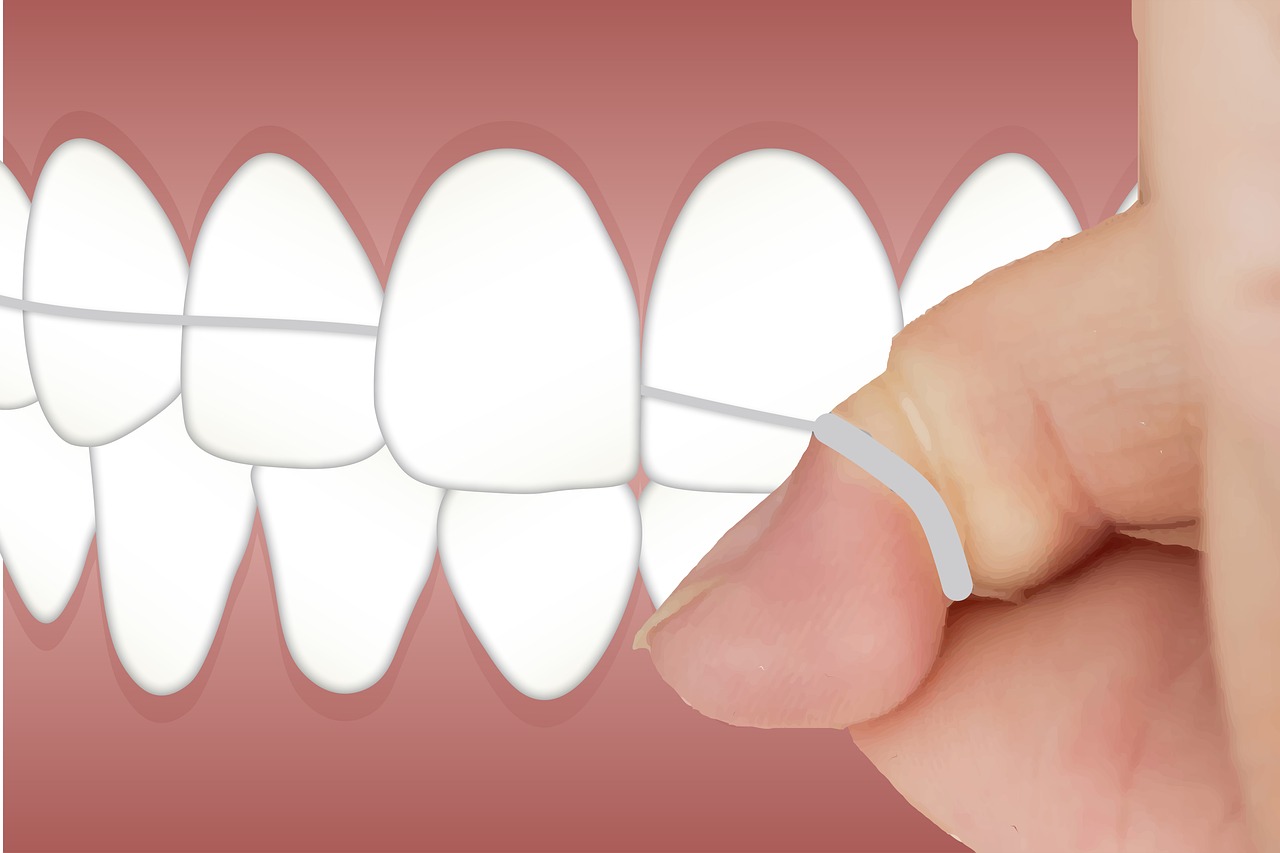
The second habit is flossing every day. This is the one people skip when life gets busy, and it is often the habit that makes the biggest difference around cosmetic restorations. Food and plaque collect between teeth where a brush cannot reach. If you have bonding on a front tooth or a crown near the back, inflammation between the teeth can affect how the entire area looks and feels. Bleeding gums around otherwise beautiful dental work can make your smile look less healthy, even when the restoration itself is still intact.
Food and drink choices affect the look and lifespan of cosmetic dental work
The third habit is being selective with what touches your teeth every day. Coffee, tea, red wine, dark sodas, and tobacco are common stain sources. Porcelain resists staining better than composite bonding, but no restoration benefits from repeated exposure to pigments and acids. If you sip staining drinks for hours, the contact time adds up. If you rinse with water afterward and avoid lingering over them, you reduce the chance of discoloration.
Hard foods create a different problem. Ice, popcorn kernels, hard candy, and using your teeth to open packaging can chip bonding and damage veneers or crowns. This is one of those habits people do without thinking until they hear a crack and feel that instant drop in their stomach. Cosmetic dentistry often holds up well under normal use, but it is not meant to be used like a tool.
The fourth habit is wearing a night guard if you grind or clench. Many people do this in their sleep and only find out after they wake up with jaw soreness, headaches, or tiny chips on the edges of their teeth. Grinding puts repeated force on restorations, especially veneers and bonding. Over time, that pressure can lead to fractures, wear, and loosening. Protecting your smile while you sleep is one of the most practical ways to support cosmetic restorations care without changing much about your day.
Routine dental visits catch small problems before they damage restorations
The fifth habit is keeping regular dental exams and cleanings. People often wait until something feels off, but cosmetic work tends to last longer when small changes are caught early. A dentist can spot edge wear, bite issues, gum inflammation, and tiny cracks before they become expensive repairs. A dental exam is not just about cavities. It is also a check on how your restorations are functioning within your full bite.
If you have ever thought, “It still looks fine, so I can push this cleaning back,” you are not alone. The problem is that many issues start quietly. A little buildup around a crown margin or mild grinding pressure on a veneer may not hurt at first. By the time you notice a visible change, the fix may be more involved than a simple polish or adjustment. General prevention still matters, and MedlinePlus dental health resources offer a good overview of the daily habits that support both natural teeth and restorations.
Simple daily choices often matter more than occasional intensive care
Habit | Protective Effect | What Can Happen If Ignored |
|---|---|---|
Soft brushing twice daily | Removes plaque without scratching restorations or irritating gums | Surface wear, gum recession, buildup at restoration edges |
Daily flossing | Keeps margins and spaces between teeth clean | Inflamed gums, decay around restorations, bad breath |
Limiting stain and acid exposure | Helps maintain color and surface integrity | Discoloration, dullness, weakened bonding surfaces |
Using a night guard for grinding | Reduces pressure and wear on veneers, crowns, and bonding | Chips, cracks, shortened lifespan of dental work |
Regular cleanings and exams | Finds early issues before they become larger repairs | Missed damage, more invasive and costly treatment later |
Consistent habits make cosmetic dentistry maintenance more manageable
1. Build a low effort routine you can repeat. Keep a soft toothbrush, floss, and dentist approved toothpaste where you will use them without thinking. The best routine is not the most ambitious one. It is the one you actually follow when you are tired, rushed, or distracted.
2. Treat restorations like part of your long term health, not a finished purchase. Veneers, crowns, and bonding still need monitoring. If you notice rough edges, a change in bite, new staining, or gum bleeding, schedule a visit sooner rather than later. Early care is usually simpler and less expensive.
3. Ask your dentist for restoration specific advice. Different materials need different care. Composite bonding can stain more easily than porcelain, and some whitening products are not a good match for existing dental work. A general and cosmetic dentist can tell you what protects your specific smile best.
You may also like: The Connection Between Preventive Dentistry And Confidence
5 routine dental habits that help protect cosmetic restorations over time are not complicated, but they do work when you stay with them. Brush gently, floss daily, watch the habits that stain or chip your teeth, protect against grinding, and keep up with exams. That steady care gives your smile the best chance to keep looking like your smile, not dental work. If you want guidance on how to protect cosmetic dental work, reach out to a trusted dental office and get a care plan that fits your restorations and your daily life.
