
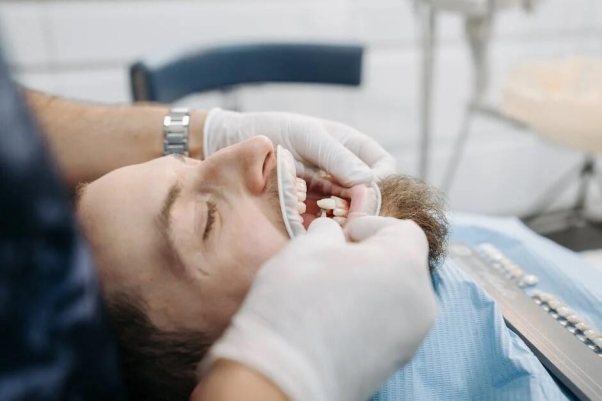
White tooth spots are a common dental concern. They can affect the look of a smile and lower confidence. These spots often appear as lighter areas on the teeth. Many people look for safe ways to improve their appearance.
White spots are usually linked to changes in enamel. They may be caused by poor brushing, early decay, or mineral loss. The good news is that there are several treatment options available. Continue reading to discover everything you need to know.
Understanding White Tooth Spots
White tooth spots form when enamel loses minerals. This process is called demineralization. It can happen for many reasons, including plaque buildup or past dental issues. These spots may appear on one or more teeth.
In some cases, white spots develop after braces. Brackets can make cleaning harder, which may affect enamel. Fluoride use and diet can also play a role. Understanding the cause helps guide the right treatment.
Professional Dental Cleaning
A professional dental cleaning is often the first step. Dentists remove plaque and surface stains from the teeth. This helps improve overall oral health. It may also make white spots less noticeable.
Regular cleanings help prevent new spots from forming. They also allow dentists to monitor enamel health. Early care is important for long-term results. Clean teeth are easier to treat and maintain.
Fluoride Treatments
Fluoride treatments help strengthen tooth enamel. They can support the natural repair of early enamel damage. This process is called remineralization. It may reduce the appearance of white spots over time.
Dentists often apply fluoride directly to the teeth. This treatment is quick and simple. It is also safe for most patients. Fluoride can be an important part of ongoing dental care.
Dental Remineralization Products
Some treatments focus on rebuilding enamel minerals. These products contain calcium and phosphate. They help restore balance to the tooth surface, read the article here. This can improve both strength and appearance.
These products are often used at home. Dentists may recommend special toothpaste or gels. Consistent use is important for best results. Over time, white spots may become less visible.
Microabrasion Treatment
Microabrasion is a dental procedure that removes a thin layer of enamel. This helps reduce the appearance of white spots. It is usually used for mild to moderate cases. The procedure is safe when performed by a dentist.
Resin Infiltration Treatment
Resin infiltration is another option for white spot removal. A special liquid resin is applied to the tooth surface. It fills in porous areas of enamel. This helps blend the color of the tooth.
Teeth Whitening Options
Teeth whitening can sometimes help balance color differences. While it does not remove white spots, it may make them less noticeable. Whitening treatments brighten the surrounding enamel. This creates a more even smile appearance.
Preventing Future White Spots
Prevention is important for long-term dental health. Good brushing habits help protect enamel. Flossing and regular dental visits also support strong teeth. These habits reduce the risk of new white spots forming.
Building a Healthier Smile
White tooth spots can be treated in several ways. From professional cleanings to advanced dental procedures, there are many options available. Each treatment works differently depending on the cause and severity. A dentist can help choose the best approach.
With proper care and treatment, it is possible to improve both appearance and confidence. Healthy enamel supports a brighter and more even smile. Taking early action can lead to better long-term results. A strong dental routine helps maintain a healthy smile for years to come.
If you’d like to learn more, check out more articles on our blog.
read more : AIYifan: AI-powered business solutions
