
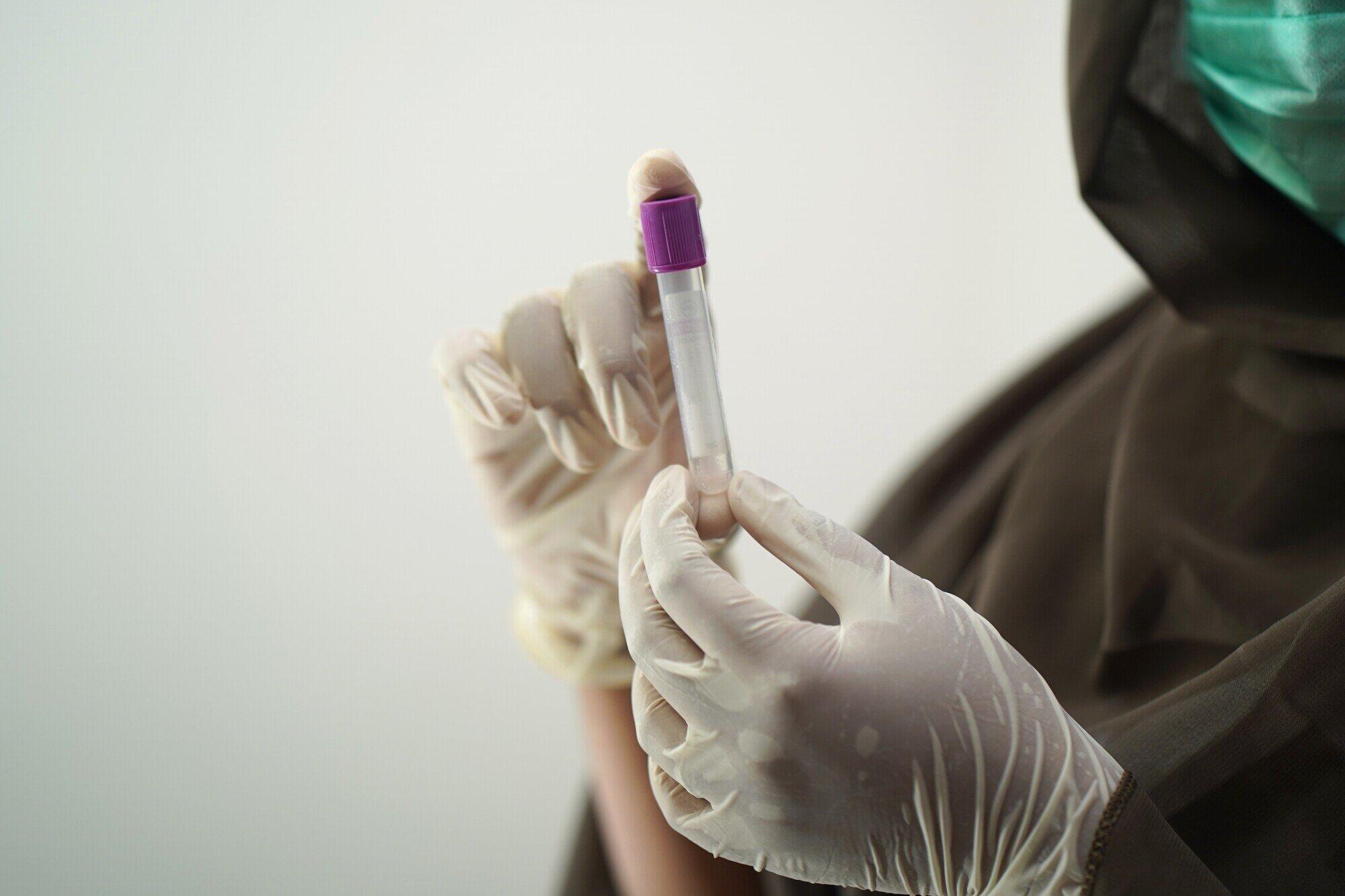
BBP Certification Training (Bloodborne Pathogens Training) teaches people how to stay safe from germs found in blood and other body fluids. These germs can cause serious illnesses like Hepatitis B, Hepatitis C, and HIV. The training is important for anyone who might accidentally come into contact with blood at work.
This course is common in healthcare jobs, emergency response jobs, cleaning work, tattoo shops, and other workplaces where exposure to blood is possible. Read on.
What Are Bloodborne Pathogens?
Bloodborne pathogens are tiny germs found in human blood and certain body fluids. You cannot see them with your eyes.
These germs can spread when blood or fluids enter the body through cuts or open wounds, needle sticks, the eyes, nose, or mouth, or by touching contaminated surfaces. Because these infections can be serious, workers need to know how to protect themselves.
Why BBP Training Is Important
The main goal of BBP training is simple: prevent infection and keep workers safe. In the United States, workplace safety rules from the Occupational Safety and Health Administration require employers to train workers who may be exposed to blood or infectious materials.
This training helps workers understand risks, use safety tools correctly, know what to do after exposure, and follow safe workplace rules. Most workers take this training once a year or when starting a new job. For more information, go to website for the best BBP program.
What You Learn in BBP Training
BBP certification courses are easy to follow and usually cover several main topics. Here are some of them:
Understanding the Risk
You learn what bloodborne pathogens are and how they spread so that you can recognize possible dangers in the workplace. This helps you stay alert and avoid unsafe situations before they happen.
Workplace Safety Plans
You learn that every workplace should have a safety plan that explains how to avoid exposure and handle risky situations in a clear and organized way. This ensures everyone follows the same safety procedures during emergencies.
Protective Equipment (PPE)
You learn how to use safety gear such as gloves, masks, goggles, and gowns, which protect you from direct contact with blood and other harmful materials. Using PPE correctly greatly reduces your risk of infection.
Safe Work Habits
You learn safe habits such as washing hands properly after exposure, avoiding contact with contaminated items, and disposing of needles and sharp objects in the correct containers. These habits help prevent accidents in daily work tasks.
What to Do After Exposure
You learn that if exposure happens, you must report it immediately, clean the area safely, and seek medical help if needed so that risks can be managed quickly. Quick action can significantly reduce the chance of infection.
Vaccination Information
You learn that workers at risk are usually offered the Hepatitis B vaccine, which provides extra protection against infection. Getting vaccinated is one of the most effective long-term safety measures.
Who Needs BBP Certification?
BBP training is needed for many types of workers, including:
- Nurses, doctors, and medical staff
- Paramedics and firefighters
- Police officers
- Cleaners and janitors
- Tattoo and piercing artists
- Dental workers
- Caregivers in some situations
Even if exposure is rare, training may still be required if there is any risk.
Investing in Safety and Employee Well-Being
BBP Certification Training is a simple but very important safety course. It teaches workers how bloodborne diseases spread and how to avoid them. With the right knowledge and safe habits, workers can protect themselves and others from serious infections in the workplace.
If you want to read more articles, visit our blog.
