
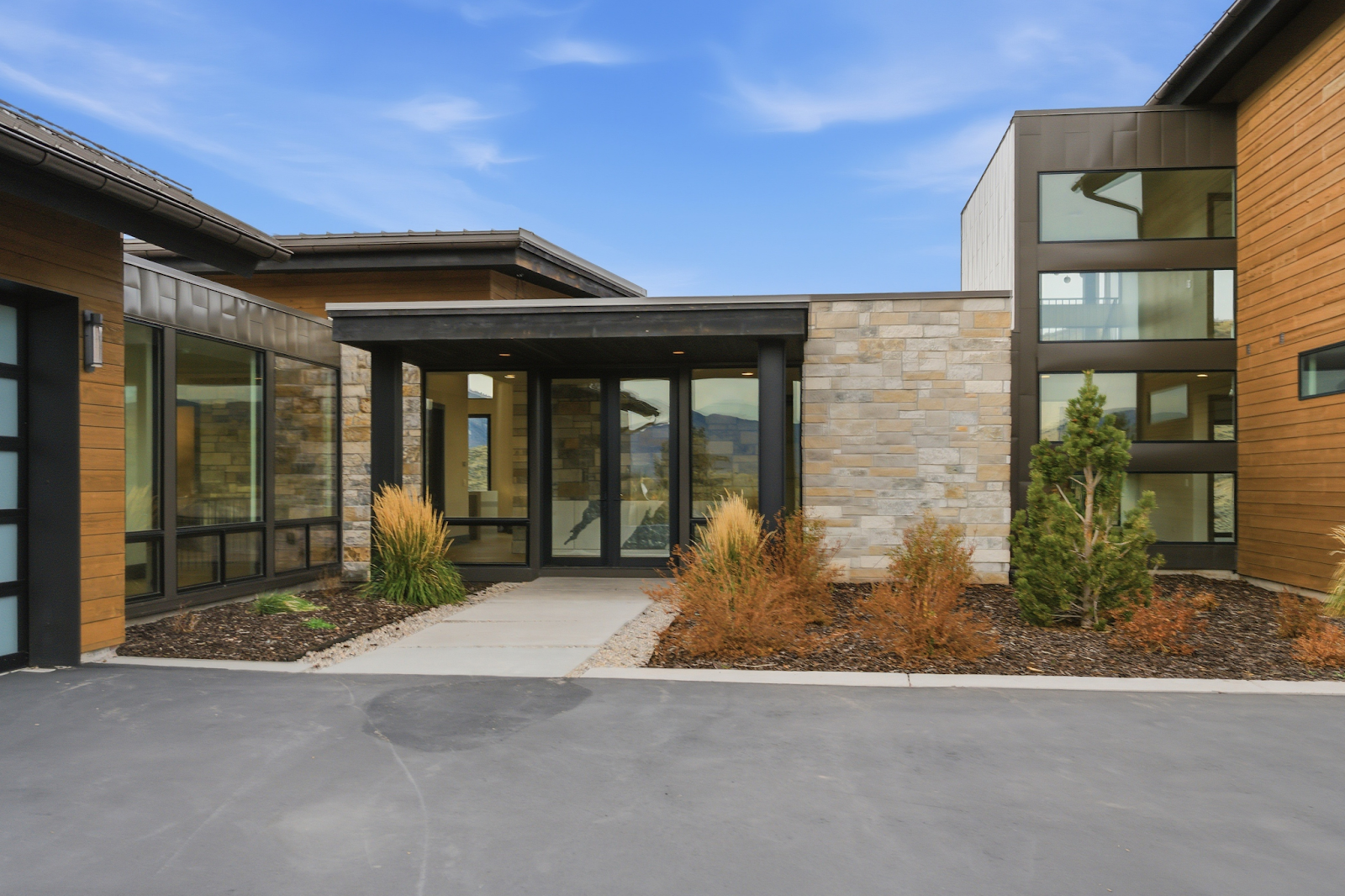
When people discuss real estate images, lighting and color usually get the most attention. Yet two of the most important details are often overlooked: straight lines and clean reflections. Even when viewers can’t identify the issue, they sense immediately when something feels wrong.
A reliable real estate photo editor does more than brighten images. It corrects perspective errors and removes visual distractions that quietly undermine trust. Vertical straightening and camera removal may seem minor, but without them, a photo rarely feels truly listing-ready.
This article explains why these two steps are non-negotiable in professional real estate photo editing workflows.
Why Small Errors Stand Out in Property Photos
Real estate photos are judged differently from lifestyle or social images. Buyers examine them carefully. Walls, doors, cabinets, and mirrors act as visual reference points. If lines lean or reflections feel unnatural, the image immediately looks unprofessional.
This is where a dedicated real estate photo editor matters. General image tools often overlook these details, but property photos demand structural precision.
Vertical Straightening: More Than Fixing a Tilt
Vertical straightening corrects perspective distortion so walls and architectural elements appear upright. Even a slight camera tilt can make rooms feel smaller or unstable.
In real estate photo editing, straightening matters because:
- Crooked walls make spaces feel poorly constructed
- Slanted doors distort room proportions
- Leaning exteriors reduce perceived value
A proper real estate photo editor corrects verticals without stretching the image or cutting off important details. The goal isn’t perfection, it’s believability.
Why Perspective Errors Affect Buyer Confidence
Perspective errors don’t just look unpolished. They subtly suggest that something may be wrong with the property itself.
When verticals aren’t corrected:
- Rooms appear cramped
- Ceilings feel lower than they are
- Exterior structures look uneven
Once straightening is applied correctly, images tend to feel calmer and more credible, even before any other edits are made.
Camera Removal: Eliminating Visual Distractions
Mirrors, glass panels, and reflective surfaces often capture the camera, tripod, or photographer. Leaving these elements in place immediately breaks immersion.
A professional real estate photo editor treats camera removal as a precision task, not a quick patch. Poor removal creates blurred areas, broken reflections, or obvious retouching marks.
Effective camera removal should:
- Preserve natural reflections
- Maintain textures and symmetry
- Leave no visible editing artifacts
When done correctly, viewers never notice the edit, which is exactly the point.
Why These Steps Come After HDR Merging
It’s important to separate image correction from workflow tasks.
HDR merging balances exposure across an image. It has nothing to do with sorting files or organizing folders. Once exposure is properly merged, vertical straightening and camera removal can be applied accurately.
Rushing these steps or mixing them into earlier stages often leads to inconsistent results, especially when processing images in bulk.
How These Edits Fit Into a Core Editing Pipeline
A structured real estate photo editor workflow prioritizes fundamentals first.
Core image editing includes:
- Sky placement
- Window masking
- White balance correction
- Camera removal
- Vertical straightening
These steps determine whether an image is usable for a listing.
Add-ons include:
- Virtual twilight
- Grass greening
- Virtual staging
Add-ons can enhance presentation, but they don’t correct perspective or remove distractions. This is why bulk furniture removal and heavy staging are not considered core requirements, they don’t address foundational image issues.
Consistency Is the Real Advantage
Vertical straightening and camera removal aren’t one-time fixes. They must be applied consistently across every image in a listing.
When a real estate photo editor delivers consistent results:
- Listings look professional as a complete set
- Agents spend less time reviewing images
- Publishing happens faster
Tools such as AutoHDR apply this core-first approach by standardizing essential corrections before offering optional enhancements.
Final Thoughts
Straight walls and clean reflections rarely draw attention, but their absence always does. These two steps quietly shape how buyers perceive space, structure, and quality.
A real estate photo editor that skips vertical straightening or camera removal isn’t finishing the job. When both are handled correctly, images feel natural, stable, and trustworthy.
That’s why they aren’t optional. They’re essential.
Types of Damages You Can Claim After a Bicycle Accident
