
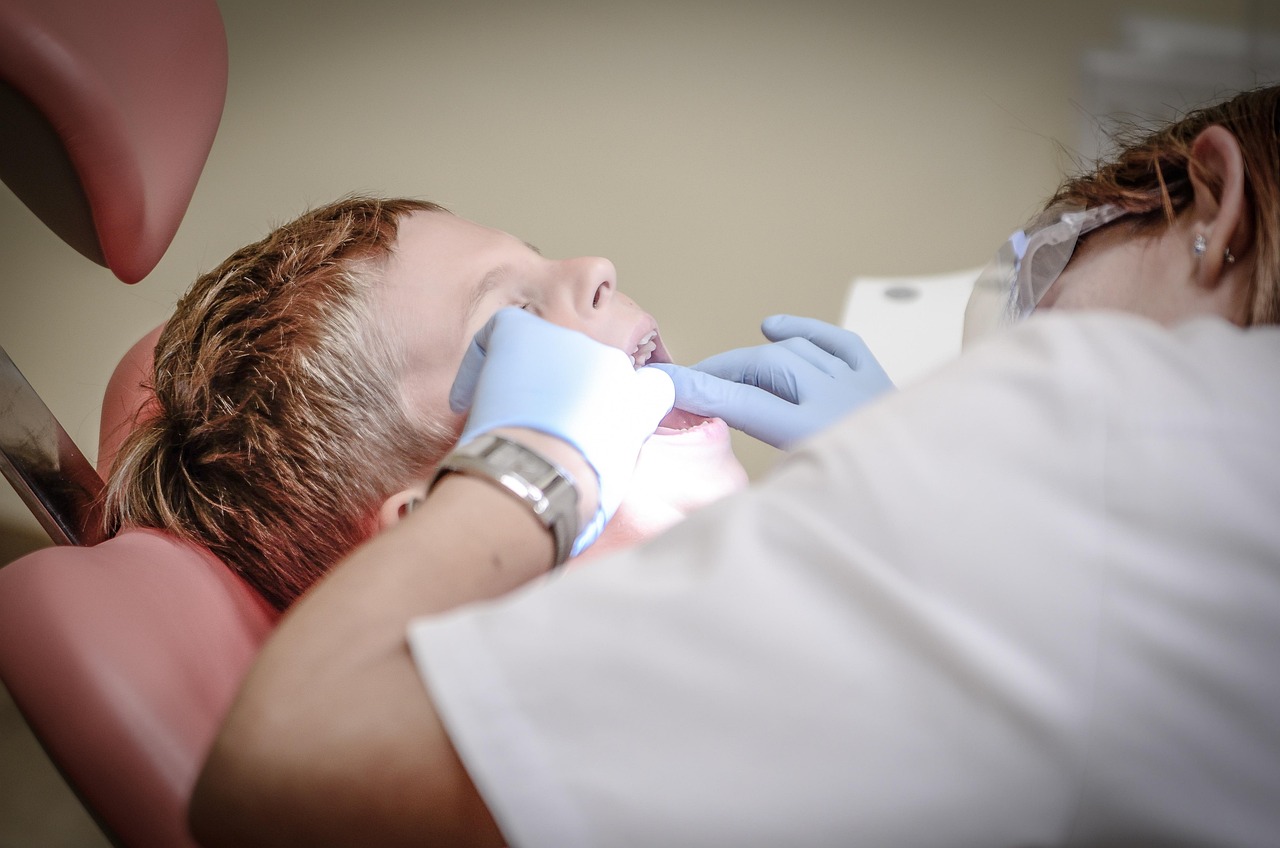
You may not think much about your teeth until something hurts. That is how it usually happens. A little sensitivity turns into a cracked filling, bleeding gums become easy to ignore, and a missed cleaning becomes one more thing sitting on your list. Life gets busy, money gets tight, and dental visits start to feel optional until they are not. Seeing a dentist in Wynnewood, PA can help you stay ahead of those small issues before they become bigger problems.
That is where preventive care changes the pattern. The Role Of Preventive Dentistry In Encouraging Proactive Health is simple at its core. It helps you catch small problems early, lowers the chance of bigger treatment later, and supports your health in ways that reach beyond your mouth. A routine exam, cleaning, and honest conversation with a general and cosmetic dentist can save you pain, time, and expense.
Preventive dentistry supports your health before pain forces your attention
Preventive dentistry is not just about keeping teeth white or avoiding cavities. It is about staying ahead of problems. That includes regular cleanings, exams, X rays when needed, fluoride, sealants in some cases, and daily habits like brushing and flossing. It also includes checking for signs of gum disease, bite issues, enamel wear, and changes in the soft tissues of your mouth.
When care is delayed, the cost is rarely just financial. A small cavity may need a filling today, but if it sits too long, it may need a root canal or extraction later. Mild gum irritation can turn into periodontitis, which can lead to bone loss and loose teeth. You may also deal with bad breath, swelling, trouble chewing, and the stress of trying to fit urgent treatment into an already full week.
That is why preventive oral care matters. It shifts your role from reacting to pain to protecting your health on purpose. According to the CDC, simple daily habits and regular dental care are central to adult oral health prevention. That advice sounds basic because it is. Basic done consistently works.
Oral health and overall health are closely connected
Your mouth does not operate on its own. Gum disease has been linked with broader health concerns, and oral pain can affect sleep, nutrition, concentration, and mood. If your teeth hurt, you may chew on one side, avoid certain foods, or rely on soft processed meals that are easier to eat but harder on your body. If your gums bleed, you may stop flossing because it feels uncomfortable, which usually makes the inflammation worse.
The bigger issue is access and follow through. Many adults still do not get routine dental care, even when they know they should. Healthy People 2030 tracks the goal to increase use of the oral health care system, which reflects a reality many people know well. Skipping care is common. It is also costly over time.
Research from the National Institute of Dental and Craniofacial Research also shows that oral health is tied to quality of life, chronic disease burden, and health equity. Their overview of oral health in America makes one thing clear. Preventing disease early is easier than trying to repair the damage later.
Preventive dental care reduces surprise costs and stressful treatment
Most people do not avoid the dentist because they do not care. They avoid it because they are worried about cost, discomfort, or hearing bad news. That dread keeps a lot of small issues hidden until they become hard to ignore.
Think about two common situations. In the first, you go in for routine care, a dentist spots a small cavity, and it is treated with a simple filling. In the second, you wait because nothing hurts yet, then wake up with throbbing pain and need emergency treatment, time off work, and a much larger bill. The difference often comes down to timing, not luck.
Preventive dental care also gives your dentist a baseline. They can notice changes in gum health, enamel wear from grinding, or cosmetic concerns that may point to deeper problems. A general and cosmetic dentist does more than fix visible damage. They can help you maintain function, comfort, and confidence before treatment becomes more involved.
Daily habits and professional dental care work better together
Approach | What It Helps With | Limitations |
|---|---|---|
Brushing twice a day with fluoride toothpaste | Reduces plaque, strengthens enamel, lowers cavity risk | Cannot remove hardened tartar or detect hidden decay |
Flossing or cleaning between teeth daily | Removes debris and plaque where brushes miss, supports gum health | Technique matters, and it does not replace exams |
Routine professional cleanings and exams | Finds early problems, removes tartar, checks gums and soft tissues | Works best when paired with consistent home care |
Waiting until pain appears | May seem cheaper in the short term | Often leads to more treatment, more stress, and higher costs |
Home care is essential, but it is not the whole picture. Plaque hardens into tartar, and tartar cannot be brushed away at home. Early cavities can be painless. Gum disease can advance quietly. That is why regular visits matter even when everything feels fine.
Small actions make proactive health easier to maintain
Book routine dental visits before there is a problem. Put them on the calendar the same way you would any other health appointment. If dental visits make you anxious, say so when you schedule. A good office wants to know that before you walk in.
Pay attention to the quiet signs. Bleeding when you floss, ongoing bad breath, jaw soreness, tooth sensitivity, and changes in the way your bite feels are all worth mentioning. Pain is not the only signal that something needs attention.
Build a simple home routine you will actually keep. Brush twice a day with fluoride toothpaste, clean between your teeth daily, and cut back on habits that keep sugar or acid on your teeth for long stretches. Consistency beats perfection.
Read more: The Connection Between Preventive Dentistry And Confidence
Preventive dentistry is not about doing more for the sake of it. It is about dealing with problems while they are still manageable and protecting your health before discomfort takes over. If you have been putting off care, you are not alone, and you do not need to wait for a crisis to start again. Schedule a visit with a general and cosmetic dentist and give yourself the relief that comes from getting ahead of the problem.
