
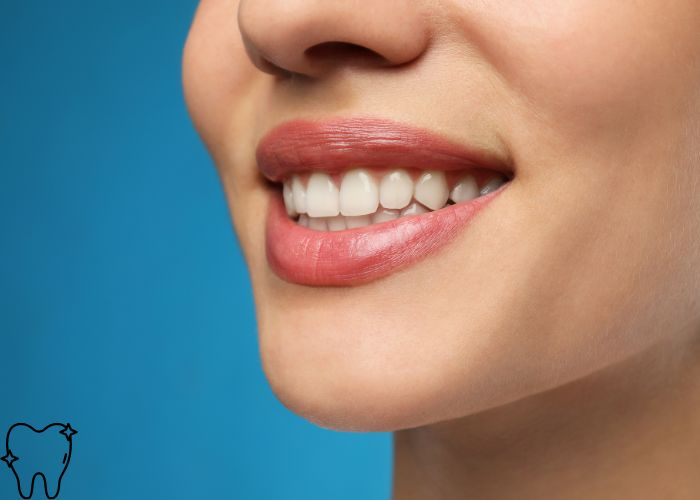
You book a dental visit because a tooth hurts, your child is due for a cleaning, or you have been putting off care for too long. Then you notice the same office also offers whitening, bonding, clear aligners, or veneers. That can feel confusing at first. You may wonder why a family practice that used to focus on checkups and fillings is talking about smile design, especially if you are looking for a dentist in Upper East Side, New York.
The short answer is simple. Patients no longer separate oral health from appearance as neatly as they once did. They want one place that can protect their teeth, treat disease, and improve how their smile looks. Family dentists are responding because the line between health and appearance is thinner than it seems. A chipped front tooth is cosmetic, but it can also affect speech, bite, and confidence. Stained teeth may not be an emergency, yet they often push people to finally seek overdue care.
General and cosmetic dentistry now meet the same everyday needs
Most people do not live their dental lives in categories. You do not wake up thinking, “Today I need preventive care, not aesthetic care.” You notice that your gums bleed, an old filling shows when you laugh, or your teen wants straighter teeth before senior photos. Real life is mixed, and modern dental care has followed that reality.
Family practices already manage the basics across age groups. They track oral health over time, spot changes early, and build trust with patients who may already feel anxious. According to the CDC’s oral health overview, oral health affects eating, speaking, learning, and overall well being. Once a practice is already caring for those daily needs, adding cosmetic services often becomes a natural extension, not a separate business model.
This shift also reflects how people make health decisions. A patient who would delay a crown may move forward when they learn it can also improve the look of a worn tooth. Someone embarrassed by discoloration may finally schedule a visit and discover untreated decay or gum irritation. Cosmetic concerns often open the door to broader care, which is one reason family dentists adding cosmetic services has become more common.
Smile aesthetics often reveal deeper oral health concerns
A smile issue is not always “just cosmetic.” Teeth can darken after trauma. Edges can chip because of grinding. Spacing can change when gum disease or bone loss begins to shift tooth position. If you only focus on the visible flaw, you can miss the reason it happened.
That is where a family practice has an advantage. The office that knows your history can connect the dots faster. If your teeth are flattening, they may look beyond whitening and talk with you about clenching. If you want veneers, they may first treat gum inflammation so the result lasts. MedlinePlus offers a useful overview of dental health basics, and one of the clearest takeaways is that appearance and function are tied together more often than people think.
Patients feel that connection in personal ways too. A person with worn front teeth may cover their mouth when speaking at work. A parent may finally seek treatment because they do not want a child to inherit the same fear of the dentist. Cosmetic smile care is not always about vanity. Often it is about comfort, self trust, and being able to stop thinking about your teeth every time you talk or smile.
Technology has made cosmetic smile care more practical inside family practices
Part of this expansion is demand, and part of it is capability. Digital imaging, tooth colored materials, intraoral scanners, and clearer treatment planning have made many cosmetic procedures easier to integrate into regular practice. Dentists can show you what a repair may look like before treatment begins. They can also preserve more natural tooth structure than older methods often allowed.
Research on cosmetic dentistry has also helped shape patient expectations and treatment planning. The NCBI overview of cosmetic dentistry describes a wide range of options that now fit different needs, from minor contouring to more involved restorative work. That matters because not every patient needs a dramatic makeover. Many need one careful, conservative fix that blends health, function, and appearance.
This is why cosmetic smile care is showing up more often in routine family offices. The care can be more precise, more personalized, and easier to coordinate when the same team already handles your exams, cleanings, fillings, and long term follow up.
Comparing routine family dental care and cosmetic smile services
| Type of Care | Main Goal | Common Services | What Patients Often Gain |
|---|---|---|---|
| Routine family dental care | Prevent disease and maintain function | Exams, cleanings, fillings, sealants, gum care | Fewer emergencies, lower long term costs, better oral health habits |
| Cosmetic smile services | Improve appearance while supporting function | Whitening, bonding, veneers, clear aligners, reshaping | Higher confidence, improved symmetry, repairs that blend with natural teeth |
| Combined general and cosmetic dentist approach | Treat health and appearance together | Restorations with aesthetic planning, bite evaluation, phased care plans | More coordinated care, fewer referrals, treatment that fits daily life |
Patients want convenience, trust, and a plan that makes sense
Running between specialists for every concern wears people down. It adds time, cost, and decision fatigue. If you already trust a family dentist, staying in one office for both routine and aesthetic care feels easier and safer. You are not starting over with your history, your anxiety, or your budget every time something changes.
There is also a practical money issue. Patients often prefer phased treatment. You might start with a cleaning, repair one chipped tooth, then plan whitening or alignment later. A practice that offers both can build a sequence around what matters most to you now, instead of pushing a full cosmetic plan before basic care is stable. That is a big reason dental practices expanding into aesthetics are getting a strong response from patients.
Three smart steps to take before choosing cosmetic dental care
Start with a full exam, not a menu of treatments. If a smile concern has an underlying cause, the right fix depends on finding it first. Ask whether grinding, decay, gum disease, or bite issues are affecting the appearance of your teeth.
Ask for a phased plan. You do not need to do everything at once. A good plan separates urgent care, health focused treatment, and optional aesthetic upgrades so you can make decisions without pressure.
Focus on outcomes that fit your life. Tell the dentist what actually bothers you. It may be one dark tooth, crowding in photos, or old dental work that shows when you smile. Clear goals usually lead to more conservative and more satisfying treatment.
Family dentistry is evolving because patient expectations have changed
If you have noticed your local office offering more smile focused services, that shift is not random. It reflects what patients want and what modern dentistry can do. People want care that respects both health and appearance, and they want it from a team that already knows them. That is why general and cosmetic dentist services are increasingly living under the same roof.
If your smile has been bothering you, even in a small way, it is reasonable to bring it up at your next visit. You do not need a dramatic reason. You just need a concern that affects how you feel, eat, speak, or show up in your day. A family practice that includes cosmetic smile care can help you sort out what is necessary, what is optional, and what makes sense for you.
read more : The Connection Between Preventive Dentistry And Confidence
