
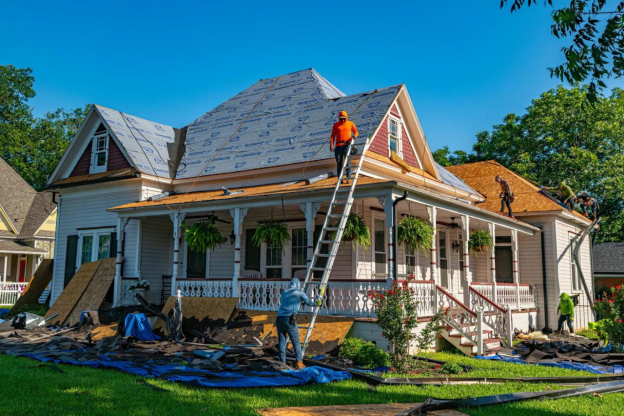
Exterior painting can completely change a home’s look. Fresh colour makes a place feel cleaner, brighter, and better looked after. But while the finished result is exciting, the process itself comes with real risks if safety is ignored. Working outdoors means dealing with heights, weather changes, tools, and surfaces that aren’t always stable. A small mistake can quickly turn into an injury or a costly delay.
Many people focus only on the paint colour and forget about preparation and safety. That’s understandable, but it’s also where problems usually start. Exterior painting isn’t just about rolling paint onto walls. It involves planning, awareness, and taking a few extra steps to protect yourself and others nearby. Whether you’re painting your own home or supervising a project, safety should always come first.
Below are six important safety tips that help make exterior painting smoother, safer, and far less stressful.
1. Check the Weather Before You Start
Weather plays a bigger role in exterior painting than many people realise. A sunny morning can quickly turn into a windy or wet afternoon, especially in Brisbane. Rain can make surfaces slippery, while strong sun can cause heat exhaustion if you’re not careful. Even high humidity can affect how paint dries and how safe the work area feels.
Before starting, check the forecast for the entire day, not just the morning. Avoid painting during extreme heat or on days when storms are expected. If conditions change while you’re working, it’s better to stop and come back another day. Rushing through bad weather often leads to accidents or poor paint results that need fixing later.
2. Use Ladders and Scaffolding the Right Way
Falls are one of the most common causes of injury during exterior painting. Ladders that aren’t placed properly or surfaces that shift can quickly lead to serious harm. Always set ladders on firm, level ground and make sure they are fully locked into place before climbing. If something feels unstable, it probably is.
For larger areas or higher sections, scaffolding may be a safer option. It provides more space to move and helps you maintain your balance. Never lean too far to reach a spot, and avoid carrying heavy paint buckets while climbing. Taking extra time to position equipment correctly can prevent injuries that stop the job altogether.
3. Wear the Right Protective Gear
Protective gear might feel uncomfortable at times, but it plays a major role in keeping you safe. Simple items like gloves, safety glasses, and covered shoes help prevent cuts, splashes, and slips. Paint can irritate skin and eyes, especially when working overhead or in windy conditions.
Old clothes or coveralls are also important. They protect your skin and reduce the chance of paint soaking through. When sanding or scraping old paint, wearing a mask helps prevent dust inhalation. Safety gear doesn’t slow you down as much as an injury would, so it’s always worth using.
4. Keep the Area Clean and Organised
A messy work area increases the chance of tripping or spilling paint. Tools left on the ground, open paint tins, and loose drop sheets can quickly become hazards. Take a few minutes at the start and end of each session to tidy up the space around you.
Cords, hoses, and brushes should be placed where they won’t be stepped on. Paint lids should be closed when not in use to avoid spills. Keeping things organised makes it easier to focus on the task and move safely around the site, especially when multiple people are involved.
5. Be Careful Around Roofs and Edges
Painting near roofs, gutters, or upper walls requires extra attention. These areas often involve awkward angles and limited footing. It’s important to move slowly and always know where your feet are placed. Never assume a surface will support your weight without checking first.
If the job involves residential exterior painting, working near roof edges or eaves is common. In these cases, having someone nearby to assist or keep watch can make a big difference. Taking regular breaks also helps reduce fatigue, when mistakes are most likely to occur.
read more : https://celebvalues.com/
6. Handle Paint and Tools Responsibly
Paint might seem harmless, but it still needs to be handled with care. Keep paint containers sealed when not in use and store them away from direct heat. Spills should be cleaned up straight away to prevent slips and stains.
Tools should be used only for their intended purpose. Don’t balance items on ladders or leave brushes where they can fall. At the end of the day, store everything properly. A calm, careful approach to tools and materials helps keep everyone safe and avoids unnecessary damage.
Wrapping It All Together
Exterior painting is rewarding, but it’s not something to rush. Paying attention to safety makes the experience smoother and helps the finished work last longer. From watching the weather to using ladders correctly and keeping the area tidy, small habits make a big difference over time.
It’s also worth remembering that painting often goes hand in hand with maintenance. Looking after surfaces, scheduling regular roof repairs and cleaning, and fixing small issues early all contribute to safer, more effective painting projects.
For homeowners in Brisbane who want exterior painting done with care, preparation, and attention to safety, Brisbane Roof and Paint brings local experience and a steady approach to every job.
