
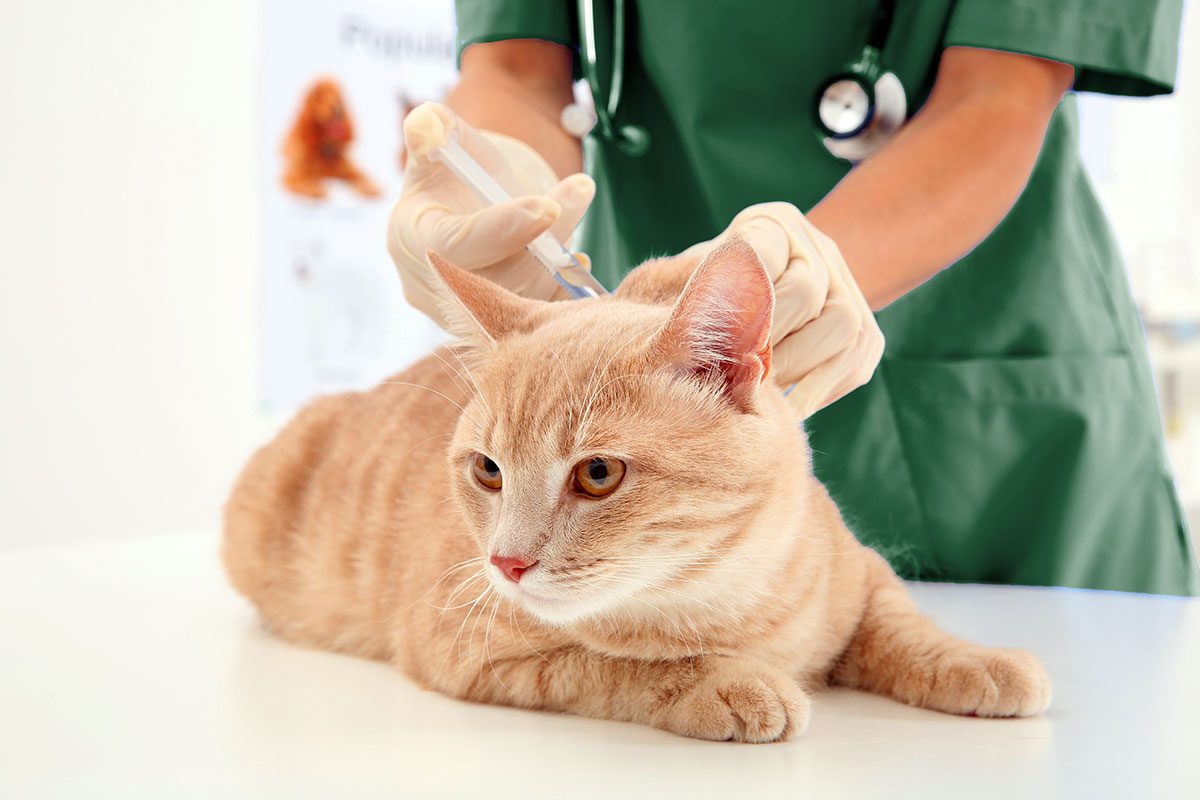
You might be watching your pet nap on the couch, wondering if you are really doing everything you can to keep them safe. Maybe you got the early puppy or kitten shots at South Austin animal hospital, then life got busy and reminders from the clinic started to feel easy to ignore. Or perhaps you adopted an adult pet and have no idea what vaccines they have had. You care deeply, yet the information can feel scattered and the decisions heavy.end
Because of that tension, you might find yourself asking if vaccines are truly necessary, how often they matter, and whether the risks are worth it. You may have heard strong opinions from friends, read conflicting posts online, and ended up more anxious than when you started. It is a lot for anyone to sort through.
The short version is this. Vaccinations are not just another item on a to do list. They are a core part of how general veterinary care protects your pet from painful, deadly, and often preventable diseases. They also shield your family and community from illnesses that can pass from animals to people. When done thoughtfully, according to modern guidelines, vaccines are very safe and can spare you heartache and huge costs down the road.
So where does that leave you as a pet owner who wants to do the right thing without being overwhelmed or pressured? It starts with understanding why vaccines sit at the center of good veterinary services and what that means for your own animal.
Why do vaccines matter so much for pets and their families?
To understand why vaccinations are a cornerstone of veterinary services, it helps to picture what life would look like without them. Diseases like parvovirus, distemper, panleukopenia, and rabies would be far more common. Animal shelters would lose many more puppies and kittens. Outdoor cats would face constant risk. Children could be exposed to deadly infections from a simple scratch or lick.
These are not distant problems. Parvovirus can cause severe vomiting, bloody diarrhea, and dehydration in dogs. Treatment often requires several days of hospitalization and can still end in loss. Feline panleukopenia can sweep through a group of unvaccinated cats and leave very few survivors. Rabies is almost always fatal once symptoms start, for both animals and people.
Because these diseases are so serious, the emotional cost is huge. Imagine rushing your cheerful young dog to an emergency clinic, only to learn that parvo has already done significant damage. The team talks about intensive care, uncertain outcomes, and a bill you were not prepared for. In that moment, most owners would give anything to go back and make a different choice about vaccines.
This is where the agitation often begins. You might feel guilty for shots you skipped or worried you might be over vaccinating. You may have heard about rare vaccine reactions and now every decision feels like a gamble. That feeling is understandable. You are trying to weigh a small, theoretical risk today against a bigger, less visible risk in the future.
Thoughtful veterinary care is meant to help you carry that burden. Modern vaccine plans are not one size fits all. They are based on science, your pet’s lifestyle, and global guidelines from expert groups. For example, the World Small Animal Veterinary Association vaccination guidelines explain which vaccines are considered “core” for almost all pets and which are optional depending on risk.
So instead of seeing vaccines as a rigid schedule, it can help to view them as an adaptable safety net that your general veterinarian adjusts as your pet grows and your life changes.
What are the real risks and benefits of pet vaccinations?
You might be wondering how to balance the fear of side effects with the fear of disease. This is where a clear look at both sides can bring a lot of relief.
Most pets tolerate vaccines very well. The most common reactions are mild and short lived. A little soreness at the injection site, some sleepiness, or a slight decrease in appetite for a day. True allergic reactions can happen, but they are rare, and your veterinary team is trained to respond if they occur at the clinic.
On the other hand, the diseases vaccines prevent are often severe. Parvo can cost thousands in emergency care. Distemper can cause lifelong neurological damage. Leptospirosis can harm the kidneys and liver. Rabies, once it reaches the brain, is almost always fatal and leads to very serious public health actions, including quarantine or euthanasia of exposed animals.
Rabies vaccines in particular sit at the intersection of animal and human health. They protect your pet, but they also protect everyone who touches that pet. Public health experts rely on veterinarians to maintain strong rabies prevention programs. If you are curious how seriously this is taken, you can see how the Centers for Disease Control and Prevention guides vets on rabies control in their rabies resources for veterinarians.
So while any medical choice carries some degree of risk, the balance here is very uneven. The chance of a serious vaccine reaction is small. The chance of severe harm if your pet contracts one of these diseases is much higher, both emotionally and financially.
How do the risks and benefits compare in everyday life?
Sometimes a simple side by side view can make things clearer when your mind feels crowded with worry. The table below compares common concerns about pet vaccines with the realities of skipping them.
| Question or Concern | Choosing Recommended Vaccines | Skipping or Delaying Vaccines |
|---|---|---|
| Immediate health impact on pet | Usually mild soreness or tiredness for a day. Serious reactions are rare and treatable if seen promptly. | No short term side effects, but pet remains unprotected from serious diseases in the environment. |
| Long term health outlook | Strong protection from diseases like parvo, distemper, and rabies. Lower risk of life threatening illness. | Higher risk of contracting preventable diseases that can cause permanent damage or death. |
| Emotional impact on owner | Peace of mind knowing you have taken a key step to protect your pet and family. | Ongoing worry about exposure. Potential guilt and grief if a preventable disease occurs. |
| Financial impact over time | Predictable, relatively low cost for routine vaccines and checkups. | Possible large emergency bills for hospitalization, isolation, and follow up care if disease hits. |
| Impact on family and community | Lower risk of zoonotic diseases like rabies. Safer interaction with children, visitors, and other pets. | Higher risk to anyone bitten or scratched. May trigger public health actions and quarantines. |
When you look at it this way, you can see why many experts say core pet vaccinations are a foundation of good care rather than an optional extra. They protect your animal, but they also protect your own heart, your budget, and the people around you.
What can you do right now to protect your pet with vaccines?
It is one thing to understand the logic. It is another to translate that into real steps when you are busy and maybe still a bit unsure. A general veterinarian’s role is to walk beside you through those decisions, not push you through them. Here are three concrete actions you can take now.
1. Gather your pet’s vaccine history and write down your questions
Start with what you know. Look for adoption papers, breeder records, or old invoices that list vaccines and dates. If your pet has seen multiple clinics, you can request records to be emailed to you. While you do this, write down your worries. Maybe you are concerned about a past reaction, or about how often adult boosters are needed, or about your indoor only cat’s real risk.
Bringing both the records and your questions to your next appointment helps your veterinarian create a personalized plan instead of guessing. It also keeps you from forgetting what you wanted to ask in the moment.
2. Schedule a wellness visit focused on prevention, not just shots
Try to think of vaccines as one part of a larger conversation about your pet’s health. During a wellness visit, your vet will examine your pet from nose to tail and then talk with you about lifestyle. Do you visit dog parks. Travel with your cat. Live near wildlife. Have young children at home. These details shape which vaccines are truly needed.
This is also the time to discuss any concerns about side effects and to review the timing of boosters. That way, you are not just following a generic schedule. You are building a prevention plan that actually fits your animal. This is what people usually mean when they talk about strong preventive veterinary care.
3. Create a simple reminder system for future boosters
Even when you are fully convinced of the value of vaccines, it is easy to miss boosters as time passes. Life gets crowded. To protect your pet long term, set up reminders that work for you. Ask the clinic to send email or text alerts. Add vaccine dates to your phone calendar with alerts a month in advance. Keep a small card on your fridge with the next due dates.
By turning vaccine appointments into a routine rather than a last minute scramble, you avoid gaps in protection. You also make visits less stressful because they are planned, not rushed.
Moving forward with more clarity and less fear
You care about your pet, and that care sometimes shows up as worry. You are not alone in that. Many thoughtful owners hesitate about vaccines because they want to make the safest choice. When you look closely at the science, the real world outcomes, and the guidance from experts, it becomes clear why core veterinary vaccinations are treated as a cornerstone of good care rather than an optional add on.
By understanding the risks and benefits, asking honest questions, and working with a trusted general veterinarian, you can create a vaccination plan that fits your pet’s life and your comfort level. You protect your animal from painful diseases. You lower the chance of heartbreaking emergencies. You also protect the people and pets around you.
The next step is simple. Gather what records you have, write down your concerns, and schedule a preventive care visit. Use that time to build a clear, shared plan, so you can move from quiet anxiety to steady confidence about how you are protecting your companion.
